


Hi GUT friends!
Last week we kicked off the GUT Permanent Collection with an assignment inspired by the collages of Romare Bearden. So many of you mentioned enjoying the tactile aspect of collaging—the feeling of handling old magazines, letters, and scraps from your own histories and finding new ways to place them together. The chat was filled with tender memories of childhood and your hometowns. Some folks honored family members while others captured more of a feeling of their past selves. We loved seeing them all — thank you for sharing your stories with us.
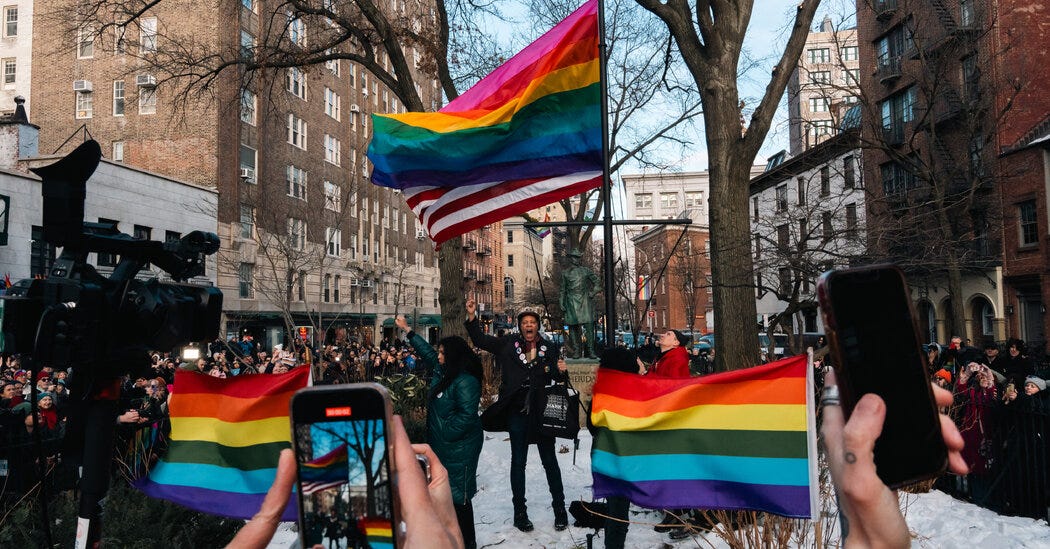
Recent events have us thinking about the power of symbols. A couple weeks ago, the National Park Service took down the Pride flag at Stonewall National Monument—the Trump Administration had sent a memo about only flying authorized flags at park sites. This monument encompasses the area around the Stonewall Inn, which has enormous historical importance in the movement for gay rights; it’s the site of protests and riots against a 1969 police raid targeting its LGBTQIA+ patrons.
Community outcry over the flag’s removal was immediate, and within a couple days, city officials re-raised the flag during a public rally. Stacy Lentz, an owner of the Stonewall Inn, reflected on the Pride flag’s meaning, saying, “The flag is not just an abstract symbol; it tells L.G.B.T.Q. people, especially younger ones, that their history will not be sidelined again.”
These events, and the conversation over the power of symbols, reminded us of this dispatch from our permanent collection.
Visual symbols
Let’s start off with the Pride Flag and a few other well-known visual symbols, and consider their context.

The Pride flag: Gilbert Baker (1955-2017) designed the original Pride flag in 1978. In his memoir, Rainbow Warrior, Gilbert discusses how he chose the rainbow:
A Rainbow Flag was a conscious choice, natural and necessary. The rainbow came from earliest recorded history as a symbol of hope. In the Book of Genesis, it appeared as proof of a covenant between God and all living creatures. It was also found in Chinese, Egyptian, and Native American history. A Rainbow Flag would be our modern alternative to the pink triangle. Now the rioters who claimed their freedom at the Stonewall Bar in 1969 would have their own symbol of liberation.
As the queer community evolves and its embrace of a wider range of gender and sexual identities and expressions grows, the flag evolves as well. The latest Pride flag, featured above with the circle, now includes people historically excluded from the fight for gay rights, including trans and non-binary people, people of color, and intersex folks. The Pride flag is a great example of how strong symbols can grow and change—not to mention some of the branding challenges that community activism faces. There’s a great book about this1 if you’re interested in reading more.
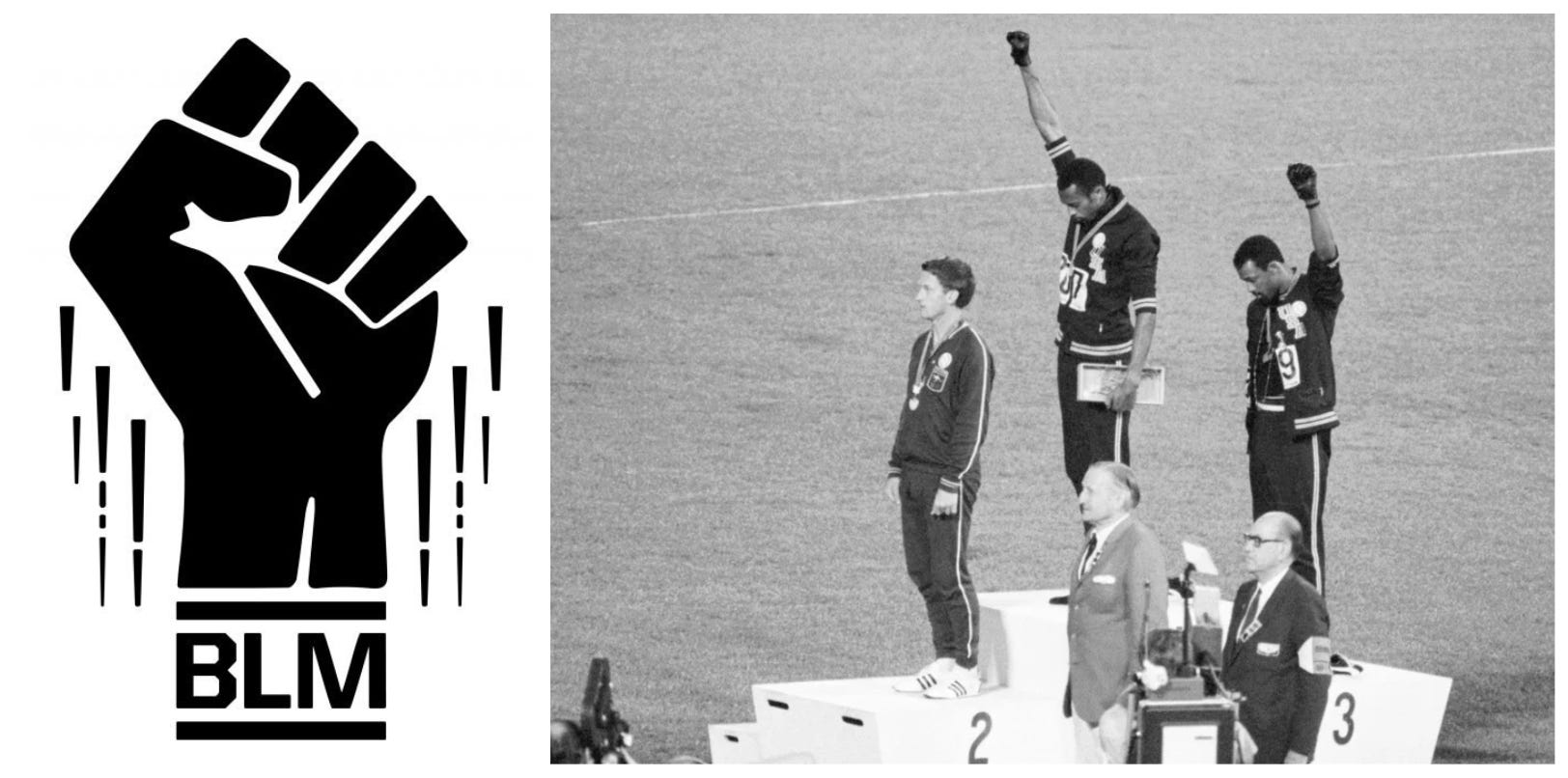
Raised fist/Black Power salute: A closed, raised fist is a universal symbol that represents power and resistance. In the ‘60s it was used by the Black Panthers and other civil rights groups and became known as The Black Power salute: a statement of defiance against oppression of Black people in the US.
It was later adopted by the Black Lives Matter movement. Groups around the world have used it as a symbol to represent the individual and collective struggle against systemic oppression.
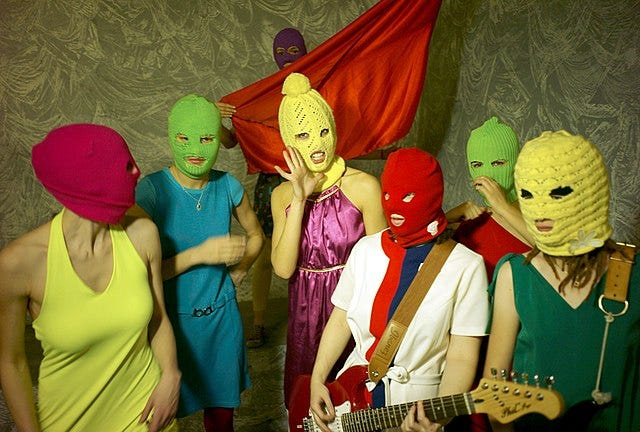
Colorful balaclavas: Pussy Riot made these colorful face masks popular worldwide in the early 2010s, and they continue to represent a big middle finger from women and queer folks to oppressive regimes around the world. Pussy Riot is a Russian feminist protest and performance art group based in Moscow. Their act is loud, hard, and fearless, promoting feminism, LGBTQ rights, and opposition to Putin and the Orthodox Church when it’s illegal to do so. Members perform in public wearing colorful balaclavas to avoid arrest. While several of the original members have left the band, Pussy Riot continues to exist with an “open invitation” for anyone to join.
Using symbols for subversion
Symbols are easy to draw, and are universally read. This is part of their power: They can be reproduced and spread by anyone. And while symbols are simple in design, their meanings carry power. And…that power can be subverted, turned against itself.
Here are two takes on the American flag:
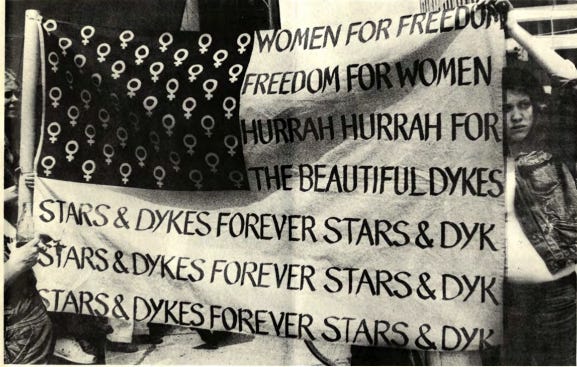
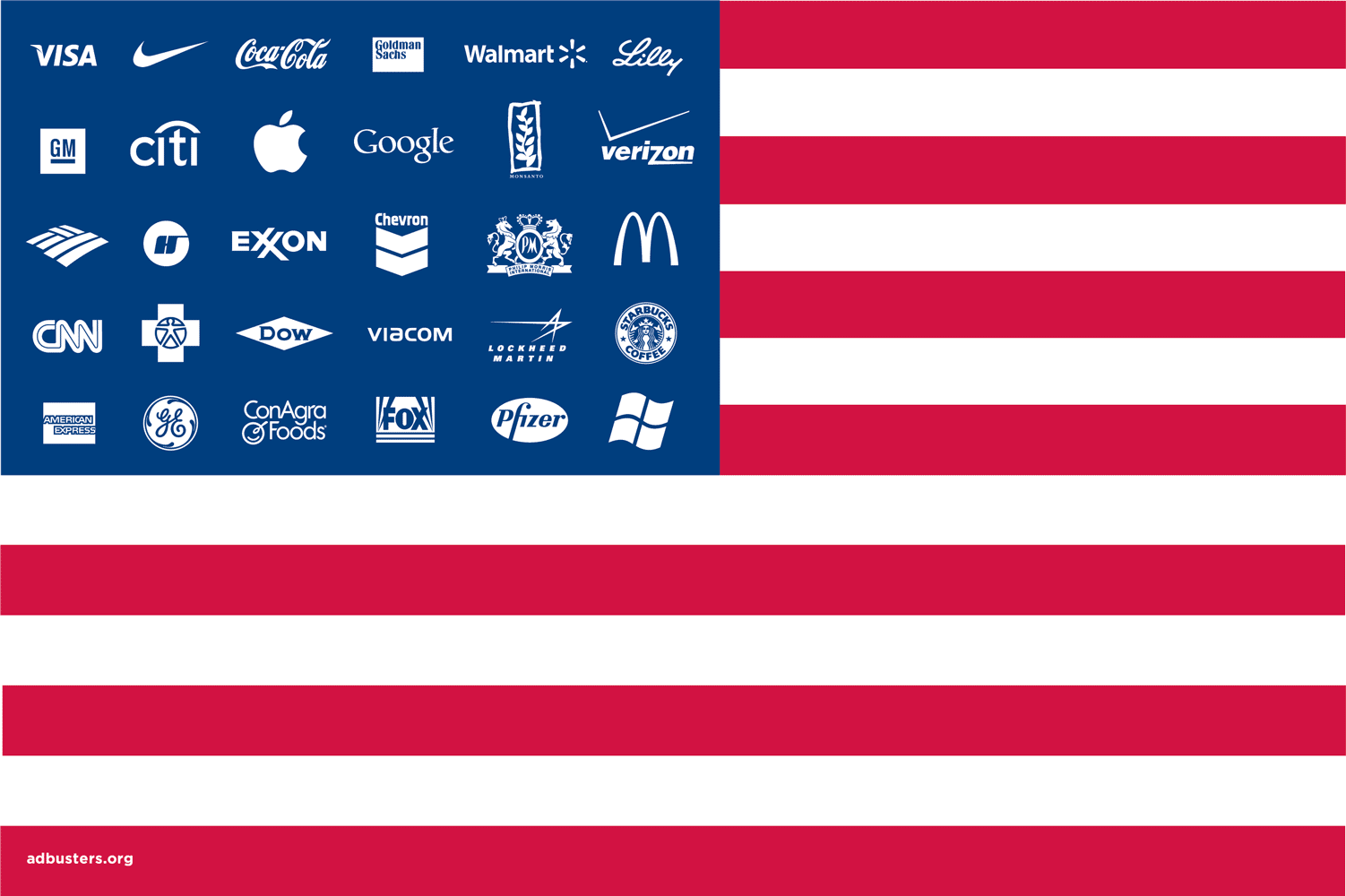
Winston Tseng is an artist and designer keeping this subversive tradition alive. Winston creates posters that use the advertising aesthetics of recognizable brands and simple straightforward language to make a statement.
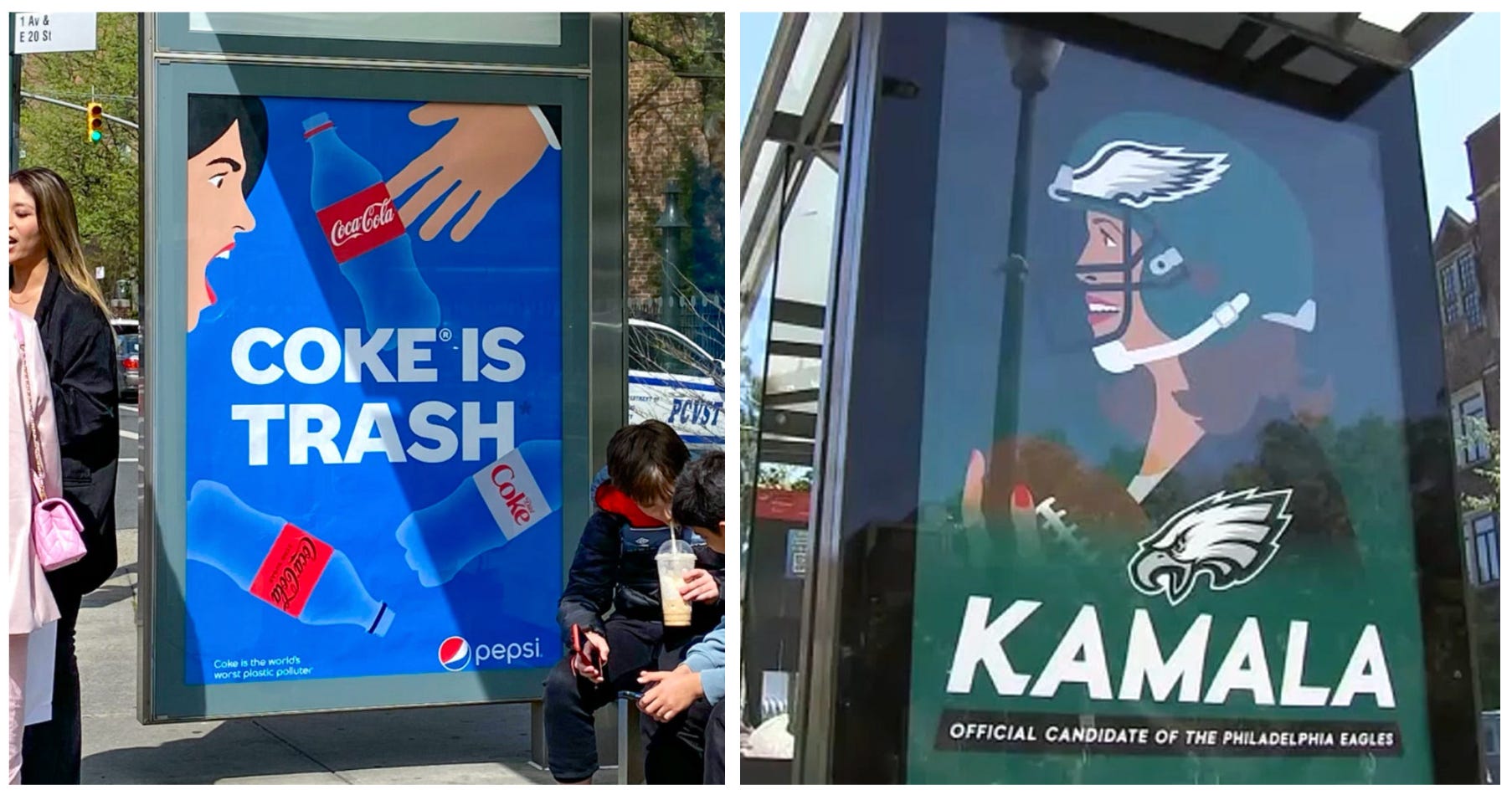
Above is a campaign where he mixed Coke’s and Pepsi’s recognizable branding to comment on their contribution to plastic pollution. In 2024, he made a fake announcement that the Philadelphia Eagles had endorsed Kamala Harris for president! This caused a lot of confusion, leaving news sources scrambling to find out the story behind it. Winston eventually took credit for creating it, but said he had no idea how the posters ended up around town. ;)
Assignment: symbols & subversion
Alright, our turn to put this into practice. Ready?
