


Day Five and we’re still alive!!
Happy day, GUT peeps. So happy you’re here, and digging into our week of PLAY. Yesterday we did a fave of mine — blind contour. No way to get THAT right, right?
Today, we swerve from representation (drawing what we see) over into imagination (drawing anything we darn well please). And, I have fun “speed challenge” for you today. You definitely need your timer for this one.
Doodle ten ways
A few months back, Elizabeth Passarella offered a five-day series of activities in the NYT. The idea was to improve well-being through creativity. (Happy to see the paper of record getting in on this! 😉)
Her first challenge was a great introduction to the idea of “iteration” in making stuff. This is a different approach than my typical “first thought, best thought” approach to art-making — to draw straight from the mind and heart, and what comes out first is usually the best, freshest approach. Working through iteration means we repeat a process again and again, and see how the initial idea transforms into something new and unexpected.
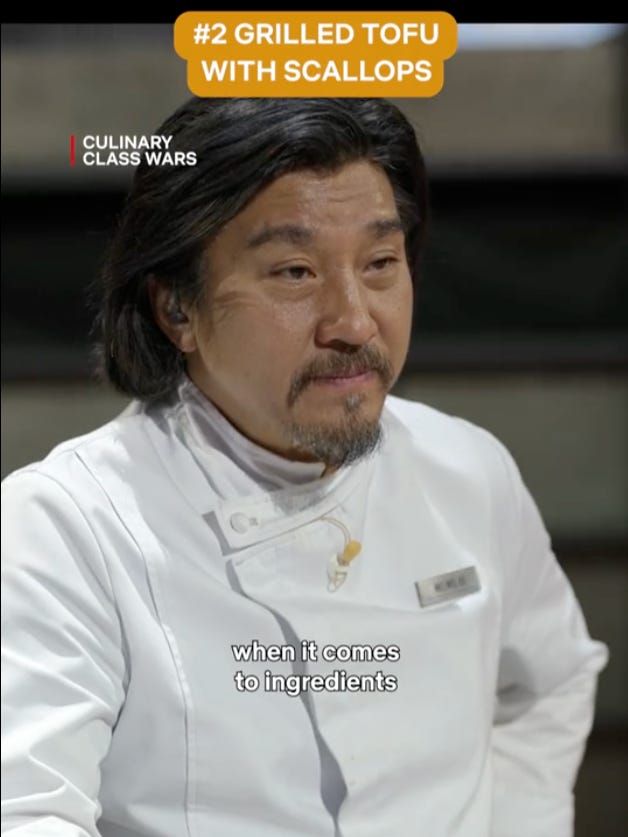
Our editor Candace told me about a great example of this on, of all things, the hit Korean cooking competition show Culinary Class Wars. (Note: Candace is a big food person. I consider croutons a complete dinner.) In the penultimate challenge, the chefs were given one ingredient — tofu — and had to design a new dish every half an hour, with one chef being eliminated each round. What the winner (spoiler alert!) Edward Lee came up with over six rounds was absolutely incredible.
 Tiktok failed to load.
Enable 3rd party cookies or use another browser
Today the word “iteration” is closely associated with “design thinking”. The San Francisco-based firm IDEO is credited with coining that phrase, though they also credit others with developing aspects of the process. They research a problem, and as they think about solutions, they create a variety of prototypes to test out and then iterate to find the version that works best. (Tho tbh, what I think IDEO is best at is marketing its own ideas to high paying clients. To be fair, an art in itself.)
As Passarella points out, what iteration really does is encourage divergent thinking. Emergent thinking. It also helps us get less attached to one “right” outcome and see how many directions we can explore, each with its own value. And if we enter this with a PLAY frame of mind, well, just watch how many different and fun directions we come up with!
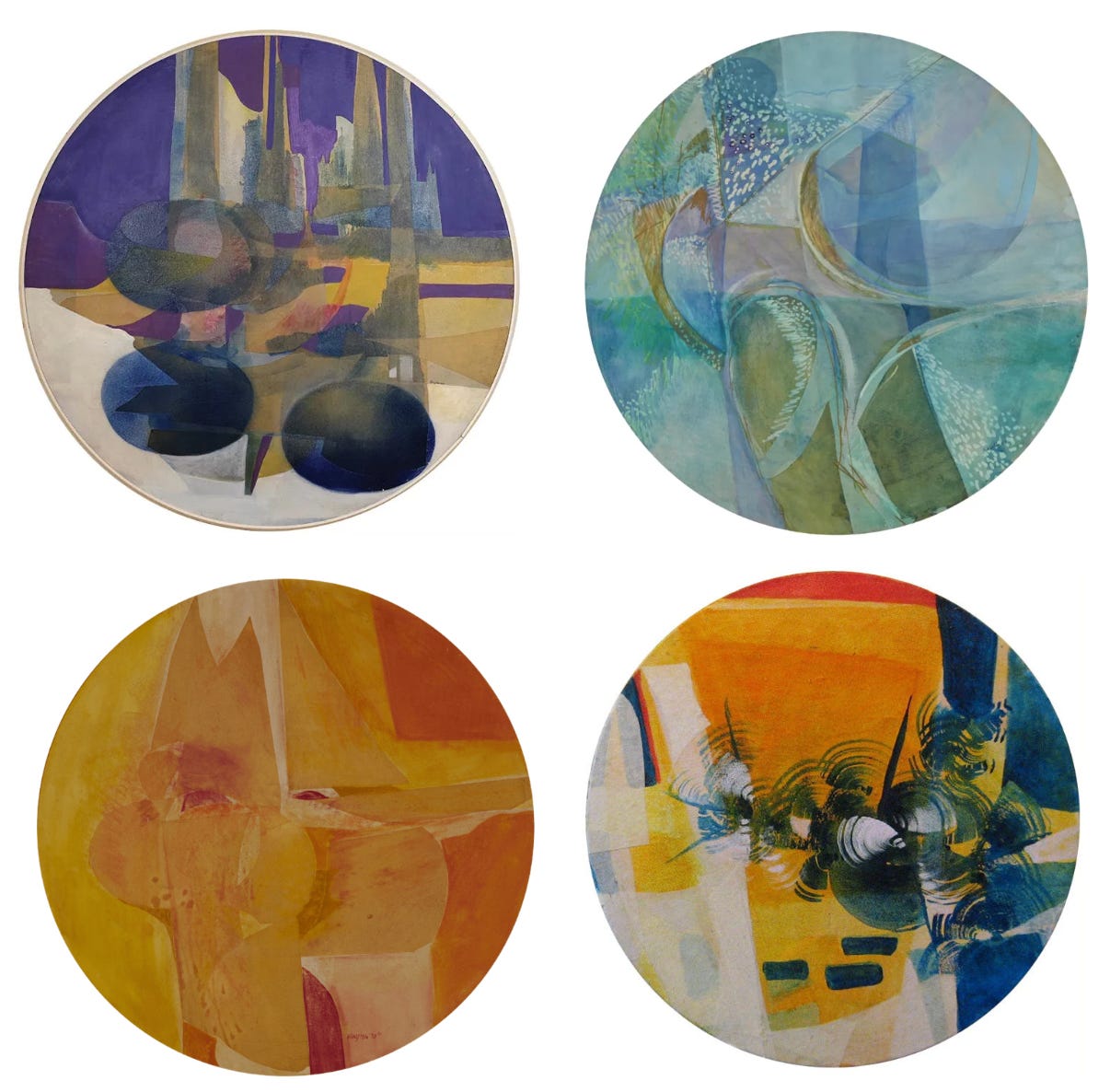
I’m excited that this week’s assignment also relates back to a fan favorite from last year: Betty Blayton-Taylor’s tondo paintings. Just look at how many different ways she used that round “tondo” form!
Alright, let’s iterate some playful drawings.
