


Hey my fine DT/GUT peeps!
The color palettes you’ve shared over the last week have taken us on all kinds of journeys, from childhood homes to international destinations. Some of you shared triumphs and others shared tender moments, but all of your stories came through vividly in your palettes. Several members shared how strongly they associated different memories or people with different colors—how wonderfully vermilion of you!
Our homes can also be powerful when it comes to inspiring creativity. As Wendy has written:
I’ve long wondered what it means to create an artistically inspiring home. As artists, how can we create a space that inspires us to make things? Does it just come naturally, or are there deliberate choices we can make to nurture our art (and the creativity of others in the home as well)?
When we think of inspiring homes, two artists immediately come to mind: Frida Kahlo and Ruth Asawa. This week, we’ll peek into their homes and explore how they designed their spaces to support their creativity.

At home with Frida Kahlo
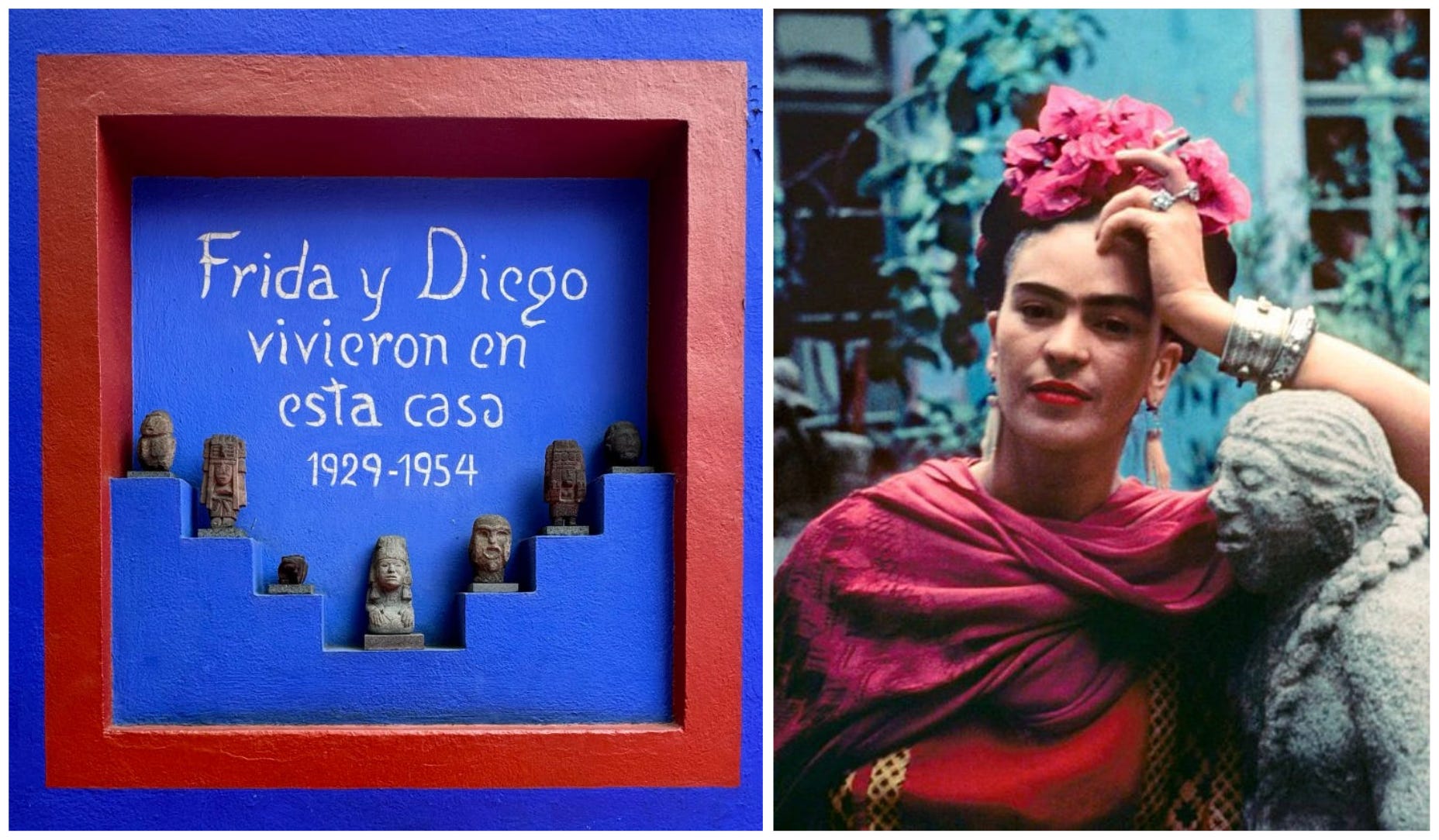
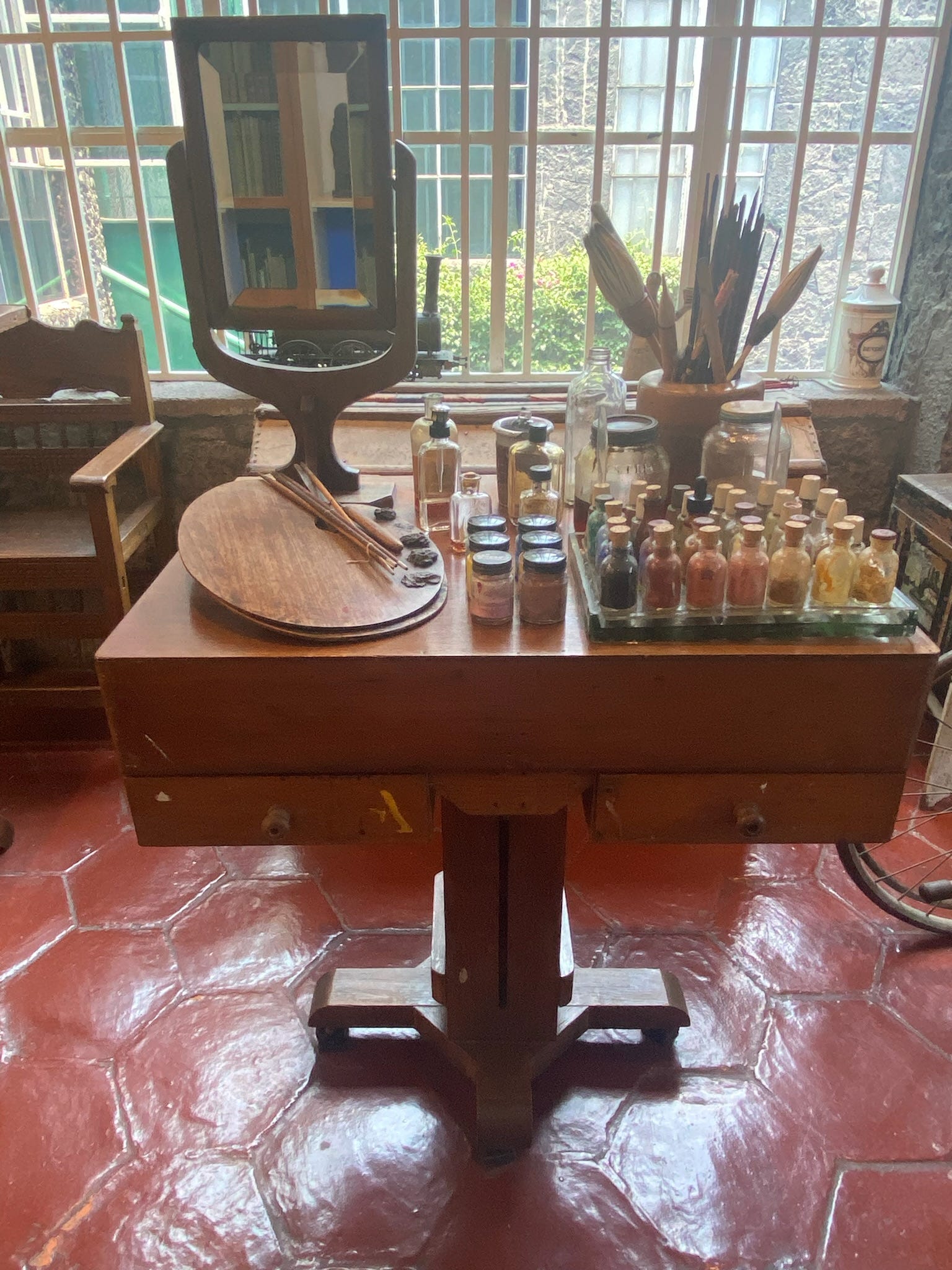
Casa Azul, Frida’s cobalt blue-painted family home, is well worth a pilgrimage to Mexico City. Born Magdalena Carmen Frida Kahlo y Calderón (what a name!), Frida’s father was of German descent, and her mother Native American and Spanish. Frida was born in 1907 in Mexico, and had a uniquely challenging life, which she channeled into terrifically prolific form of creativity.
Disabled by polio as a child, Frida was always drawing and painting alongside her father. Over time she grew interested in becoming a doctor and maybe even a medical illustrator. Then, at 18, a terrible bus accident left her with severe injuries: a fractured pelvic bone, collarbone, leg, and spine, as well as a punctured abdomen and uterus.
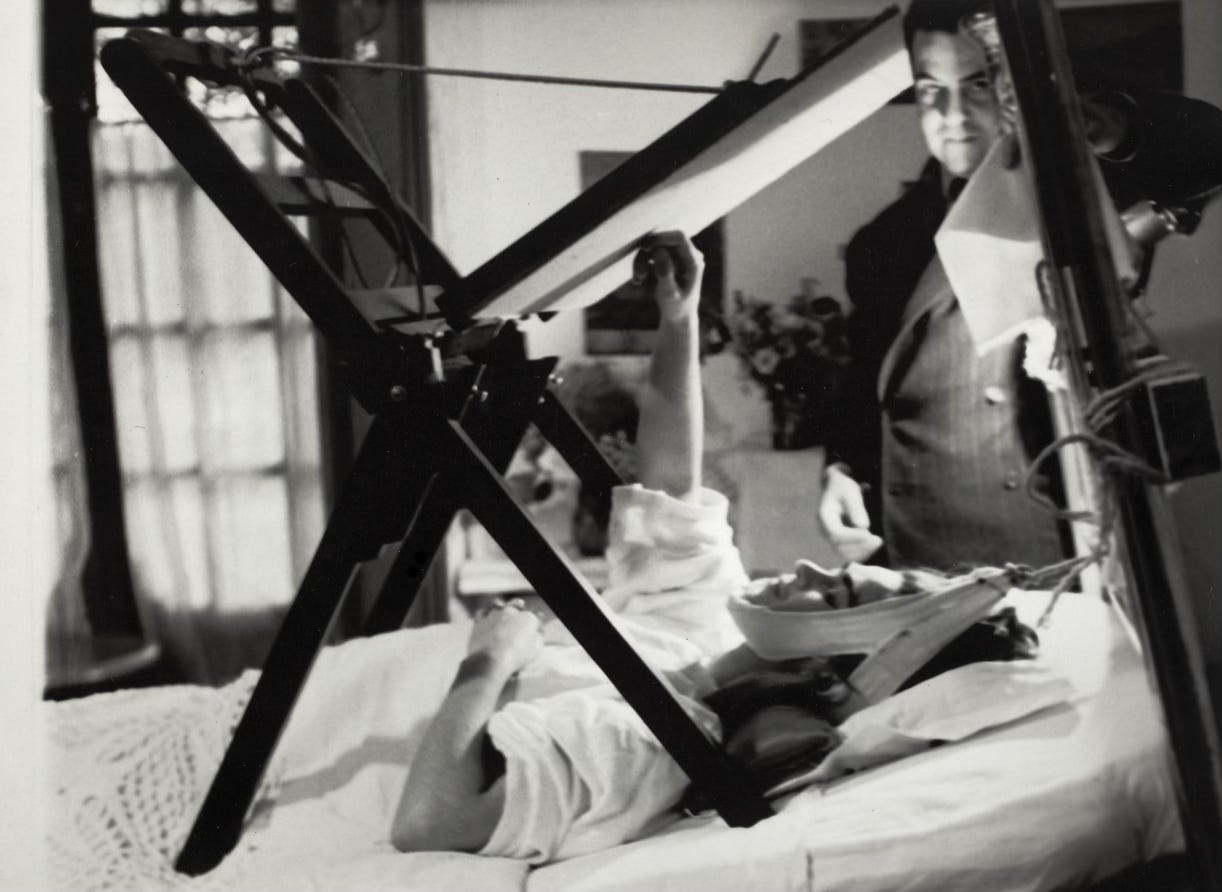
Bedridden for months in a full-torso cast, Frida had an easel set up in bed so she could paint. She also had a mirror installed overhead so she could see herself in bed; this is when she began painting some of her most well-known self-portraits.
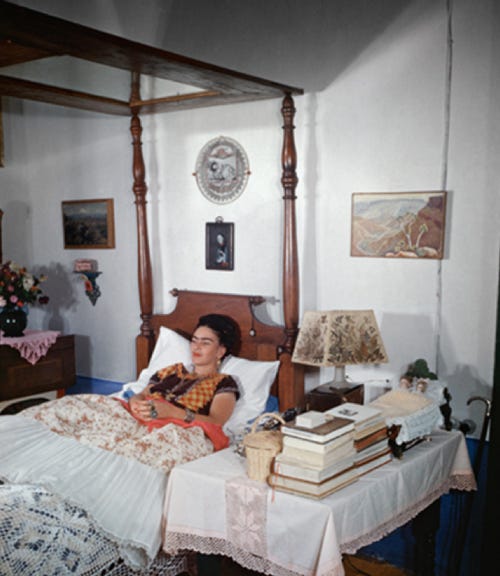
It was here, in this blue house, that Frida fell in love with muralist Diego Rivera. Here they lived and worked, here she grew as an activist, here she hosted guests from around the world, before her death in 1954. She was 47.
At home with Ruth Asawa
It’s no secret that we here at the GUT are Ruth Asawa megafans. And as much as we love her work on its own, we also love how it reflects the life, community, and home that she built.
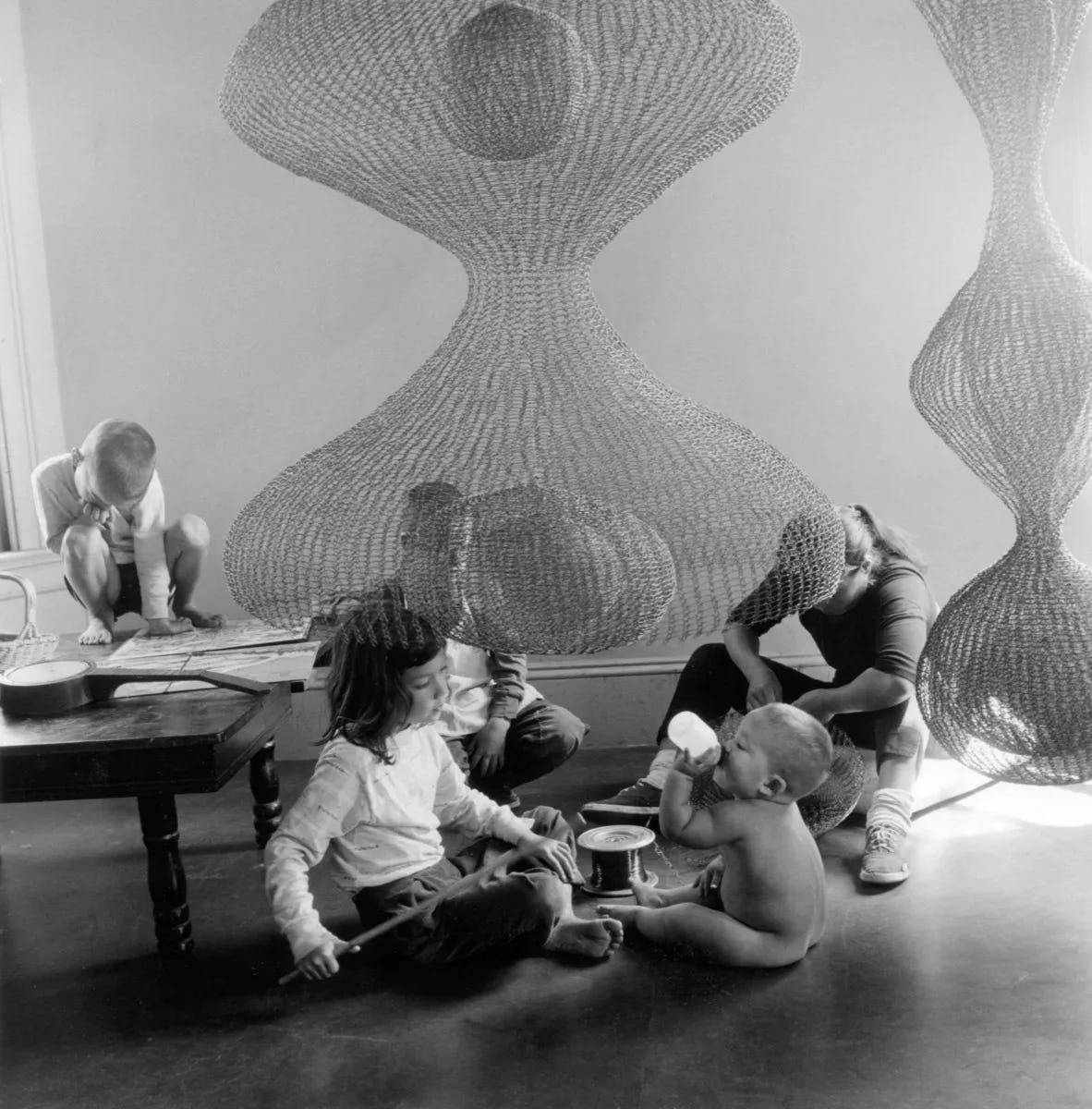
At a recent SFMOMA exhibition on Ruth’s life and work, one installation in particular gave a sense of that home. A huge image of her home’s interior hangs on the wall like a window into the past, and the living room experience she and her family created makes you feel like you were there. Several of her wire sculptures hang from the ceiling of the museum, just as they did in her house.
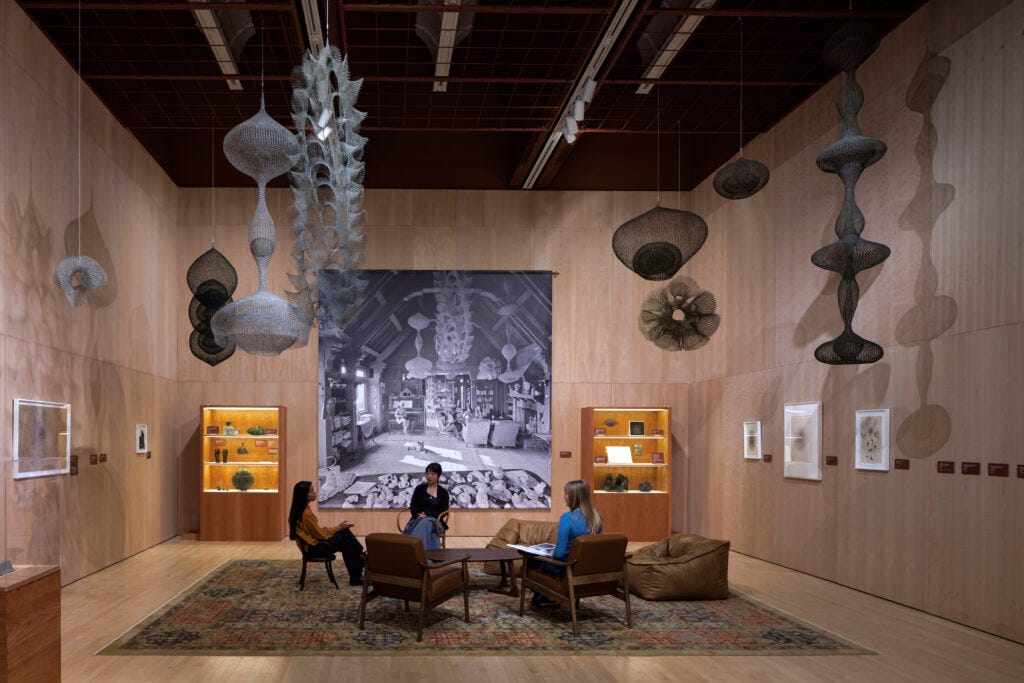
Ruth and her husband Albert Lanier lived in their house, in San Francisco’s Noe Valley, for most of their lives. Between 1950 and 1959, Ruth gave birth to six children; her art practice merely adapted along the way. Having six kids changed not just her daily life, but her subject matter.
“I couldn’t go to a drawing class, so I drew my children or the flowers in the garden. I kept my hands in it.” - Ruth Asawa
In lieu of big gatherings, Ruth had friends and artists like Buckminster Fuller over for visits. Kids were always running around. At the same time, Ruth kept a daily, consistent, and grounding solitary drawing practice. She would draw while watching television—often drawing the very people she saw on TV. She’d draw after the kids went to bed. Her husband would leave her flowers on the giant kitchen table, and she’d find moments to draw the bouquet.
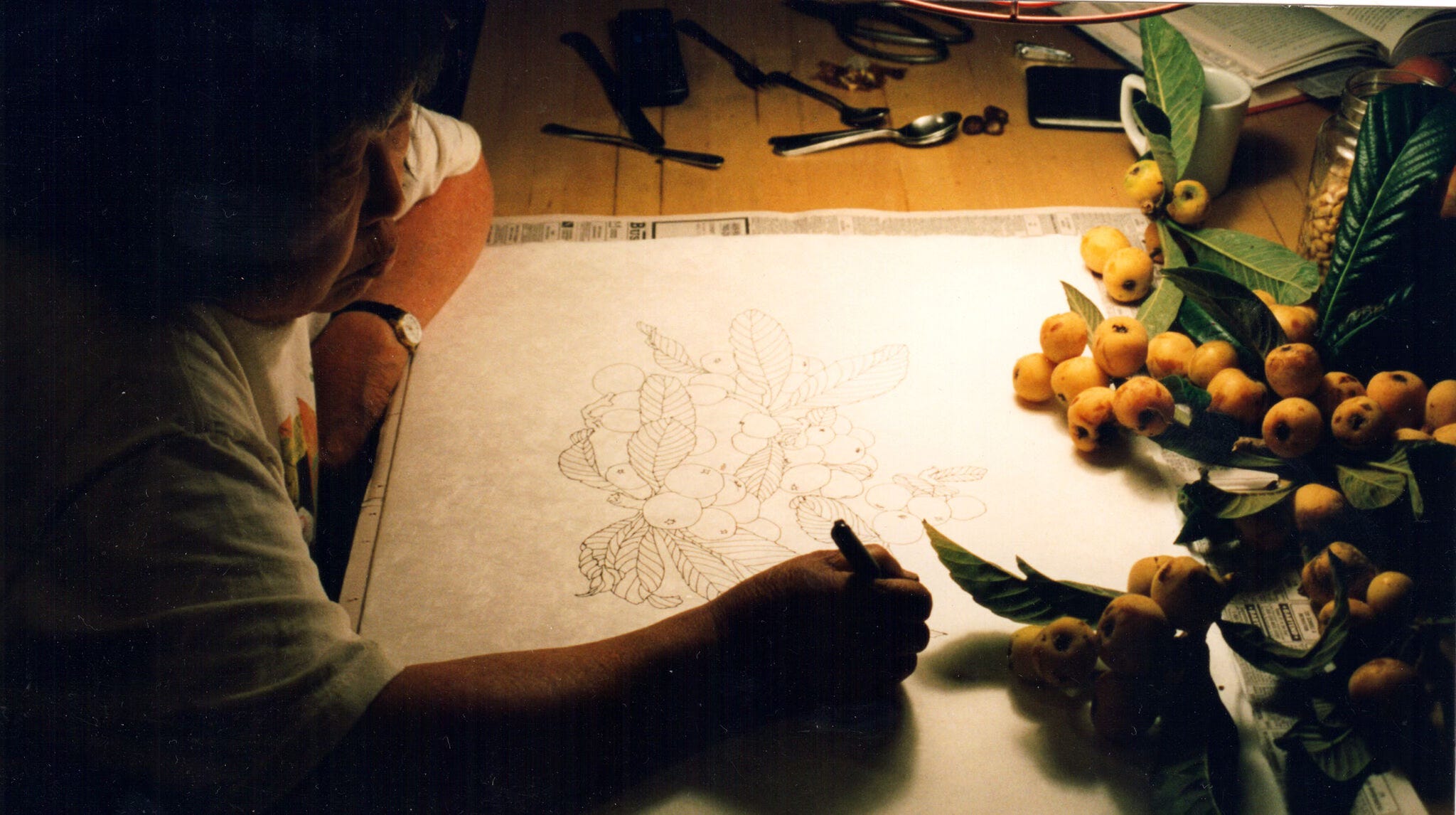
Ruth’s husband Albert designed and built the huge family table. There were always materials and subject matter laying around, and at any time a member of the family could pause, sit down, pick up a pencil, and draw. The kitchen table was about art as much as eating.
A few years ago, Wendy spoke with Ruth’s son Paul Lanier about how he grew up, and how parents can cultivate creativity in kids through the home environment. Here’s what he said:
In our family house there are tables in every room. A 10’ table in the kitchen, a huge butcher block in the living room. Round table in another room with great light, so you can go there if you need light for a project… It’s good to have a creative place. But it doesn’t have to be a big studio. You need a “spiritual studio.” A table that doesn’t matter if it gets wrecked. One that’s scratched already. So if you nick it, it doesn’t matter. Whatever happens to it gives it character.
How can a home inspire creativity?
What role did the home play in the artwork that Frida Kahlo and Ruth Asawa made? What made their homes inspire such abundant, relentless creativity?
These two artists made very different art, so it’s no surprise that they had very different homes. Color was at the heart of Frida’s dazzling Casa Azul. For Ruth, a key part of her art-making was how she valued her family and wanted her studio to be at home, so she could be there with her kids.
As different as they are, both homes beg for you to plop down, grab something—a book, some paints, a pot or pan—and join right in. Their houses tempt you to pick up a brush or some wire and MAKE SOMETHING.
Materials at the ready
Not everyone has a full-blown studio in their home. But lots of us have spaces in our homes we use as studios: kitchen tables, desks, drawing boards while sitting on a sofa. Wherever we create, having art supplies readily accessible is key to consistent creation. Maybe cover the kitchen table in paper to inspire dinner doodling. Or keep a cup of colorful pens next to the computer for future Zoom calls, or a sketchbook and pen in front of the TV. Nothing should come between us and our materials!
How does that jive with your experience? We’d love to hear what you think makes for a creative, art-inducing space. Leave a comment below and let’s see if we can find more common threads.
