

Your Brain on Doodles
Keep scrawling those weird buildings and faces—they're good for us!

Helloooo DrawTogether Grown-Ups Table.
Last week’s assignment—to find the beauty in our messes—resulted in some fabulous drawings. Besides giving a peek into your homes and lives, you shared about the meaningful objects that surround you and the emotional side of the cleaning process. We always love seeing how you support each other in the chat, and this week was no exception. Three cheers for this (supremely messy) community!
Now onto this week’s VERY SERIOUS ART TOPIC…
The doodle.
Yes, the doodle. Let’s start with some words from our head doodler, WendyMac:
I’ve always doodled. I got in trouble in high school for doodling during class. I doodle while talking on the phone and during meetings. I make doodley grocery lists, to do doodle lists, electric bill doodles. Doodles everywhere. And I kind of just assumed everyone who draws doodles, too. But recently someone who draws told me he doesn’t doodle. WHAT?? He said he doesn't know how. My heart broke a little.
I thought doodling was hard baked into every visual person. Don’t we all mindlessly cover every surface with flowers and stars? Don’t we all relax by letting our pens flow into unexpected shapes and designs?? Maybe not after all.
This made me wonder: What is a doodle? And what makes a doodler doodle? Why doodle at all? Can a non-doodler become a doodler? And what do doodles DOOOO?
With that, let’s explore…The Doodle.
Famous doodlers.
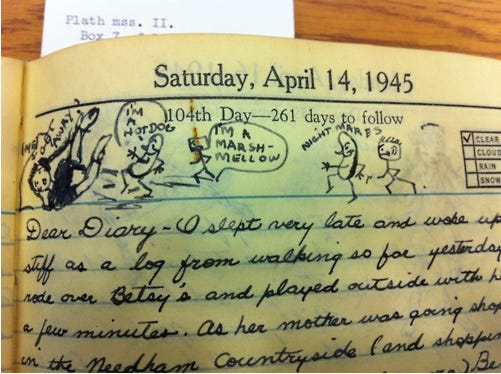
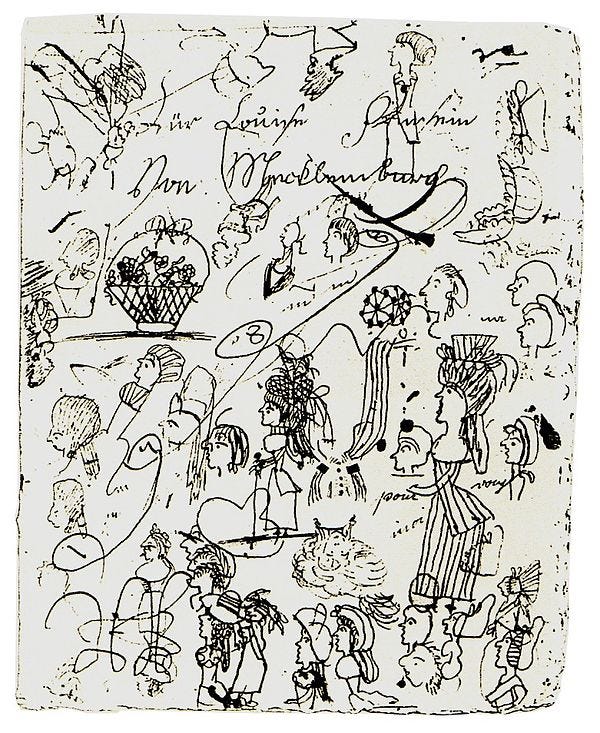
First, let’s look at some doodles by some folks who are not known for their drawing, but are impressive doodlers nonetheless.

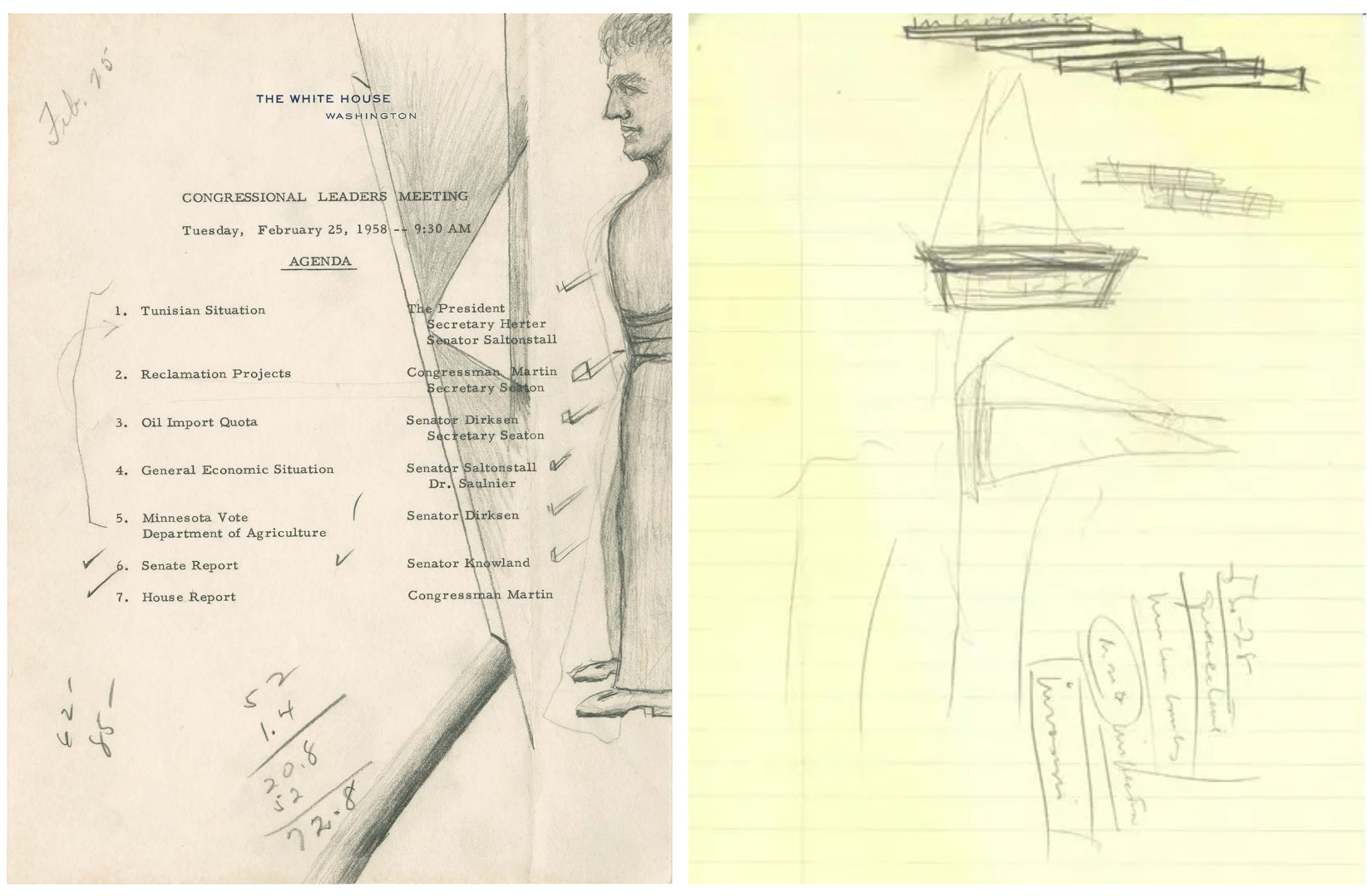

Obama got in on the act, too, confessing in a 2012 interview to being “a pretty good doodler.” What does he doodle? “All kinds of things. Faces, people. So sometimes when I'm in a big important international meeting and you see me writing stuff down, it might be that I’m just drawing some, drawing some folks.”
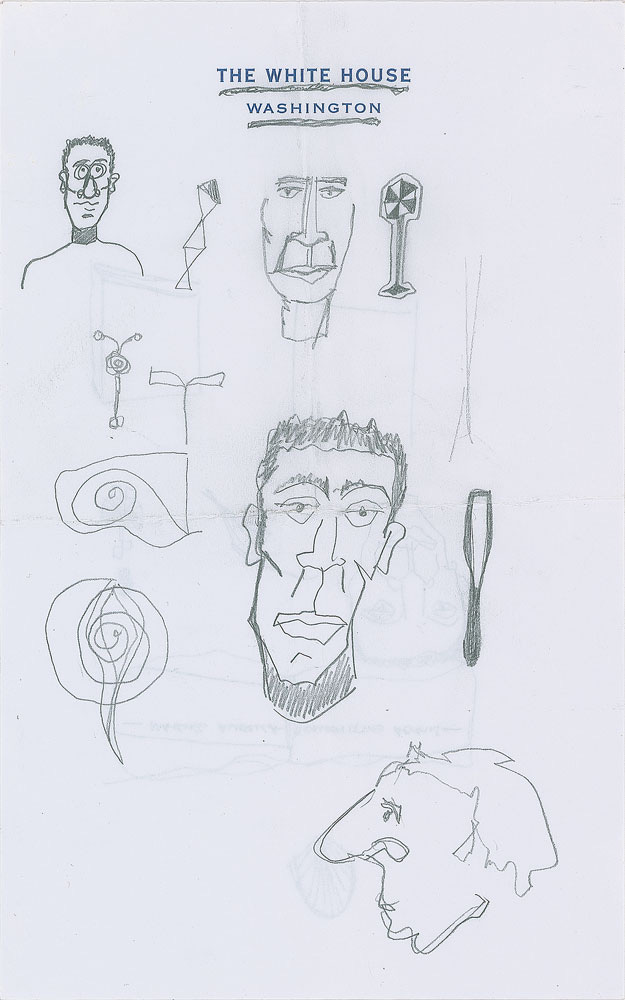
Some might think that means the president wasn’t paying attention. But studies show the opposite—that doodling actually improves memory. (We’ll get to that in a minute.)
Doodle vs. drawing
The Oxford English Dictionary defines the doodle as “An aimless scrawl made by a person while his mind is more or less otherwise applied.”
Judging by the variety of styles in the images above, there are many different kinds of doodles: abstract, figurative, illustrative, you name it. What do they all have in common? They are loose. Like the OED states, you can see that the doodler didn’t set out with an idea of what they wanted their doodle to look like. It emerged organically through the doodling.
That’s one big difference between doodling and drawing. When we doodle we are concentrating on something and processing it by moving our pens around a page without thought or a goal. When we draw, we do it with intention. Even if it’s abstract and we don’t know how it is going to turn out, we are working towards the goal of making a complete drawing. (What do you think? We can debate this in the chat.)
What good does doodling do?
Oh my gosh, so much.
Let’s start with memory.
From Harvard Health Publishing:
In 2009, psychologist Jackie Andrade asked 40 people to monitor a 2 ½ minute dull and rambling voice mail message. Half of the group doodled while they did this (they shaded in a shape), and the other half did not. They were not aware that their memories would be tested after the call. Surprisingly, when both groups were asked to recall details from the call, those that doodled were better at paying attention to the message and recalling the details. They recalled 29% more information.
29% more information! Why? The researchers believe doodling helped people stay alert and engaged, brains focused just enough to avoid boredom.
Former teachers of ours: We were paying attention after all! We were downright presidential, come to think of it.
Does doodling reduce stress and anxiety?
Absolutely.
These researchers were measuring doodling’s impact on stress as far back as 1938! And this fascinating paper on doodling noted that “providing pencil and paper to the anxious, the distressed, and the disturbed might even have unexpected therapeutic benefits.”
Carol Edmonston, author of The Healing Power Of Doodling: Mindfulness Therapy To Deal With Stress, Fear & Life Challenges, says “doodling can actually help calm the racing mind and bring it back to a more quiet, restful space, not unlike meditation.”
But why???
Drawing and doodling are both physical experiences. They calm us down, lower our heart rate, deepen our breathing, and bring us into the present. And for those of us with jumpy or judgy minds, it’s medicine. There’s also surely magic in there, too—that specific mysterious thing that happens in our brains and hearts, when we keep our hands moving and breath flowing as we create something out of nothing, without fear of judgement.
Alright, enough blah blah blah. Let’s make something!
