

Dorothea Lange's Trick for Seeing More Closely
The great photographer didn't just use a camera to capture her subjects.

Heellllooo wonderful GUT peeps,
Last week, we tackled perfectionism head-on by embracing drawings (and selves) that are “good enough.” Many of you appreciated how drawing with your non-dominant hand, or making five versions of the same thing, released you from your own thoughts. Thinking: Overrated!
We now turn to a photographer whose social practice and ethos have deeply informed Wendy’s work...
How to see more with Dorothea Lange


For those unfamiliar with her work, the photographer Dorothea Lange (1895-1965) used a camera to look closely at people and the world. Beyond art and aesthetic, her work reflected care and curiosity—and it had a lasting social impact, influencing everything from government funding to state and national policy. Her work changed the way people saw the world, and themselves.
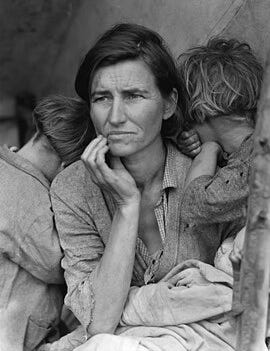
Here at the GUT, we try to focus on the process of drawing, and not as much on the outcome. Today, we are going to focus on one aspect of Dorothea’s process: how writing helped her see. We’ll explore how Dorothea used captions in her work and what we here at the GUT can learn from making captions for our drawing.
Taking up documentary photography
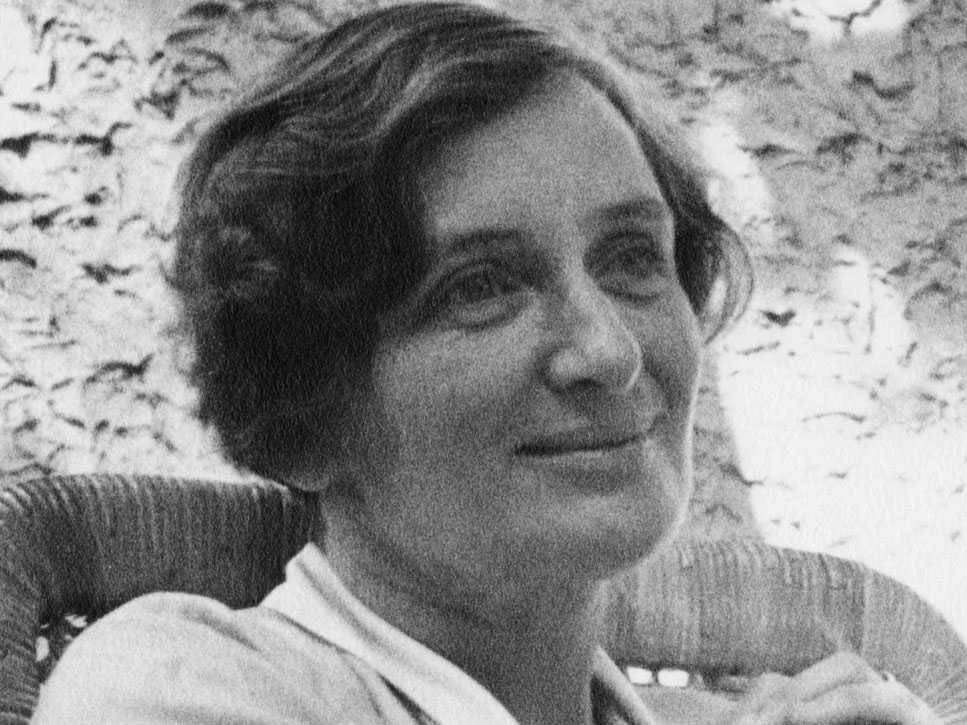
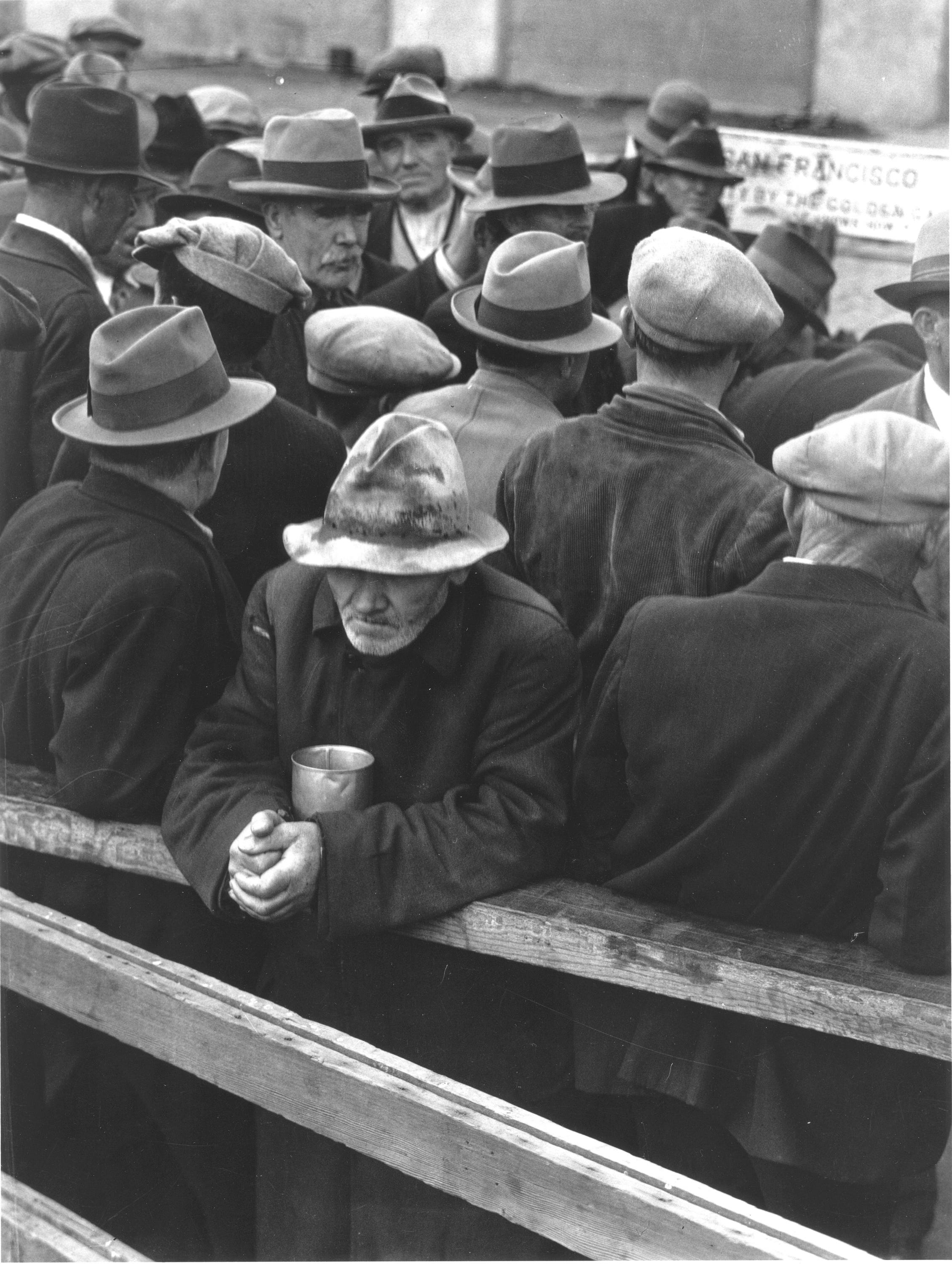
During the 1920s, Dorothea built a career as one of San Francisco’s premier portrait photographers. Her clients were the wealthiest and most powerful socialites and arts supporters. She married the swashbuckling painter Maynard Dixon, had two kids with him, and traveled around the country with him taking photos (often leaving the kids behind in foster care). Then came the Great Depression. She turned her attention (AKA her camera) away from the wealthy and towards the people standing in breadlines outside her studio in SF.
A UC Berkeley economist and sociologist named Paul Taylor saw Dorothea’s photographs and invited her to travel with him and document the country during the Depression. He knew images would make a greater impact than statistics and reporting alone. He believed the two of them could capture the minds and hearts of lawmakers and create change in politics. Dorothea wasn’t a political person at the time, but she agreed. They quickly fell in love and developed a personal and professional partnership that would last a lifetime. And with that partnership, Dorothea would create an entirely new form of documentary photography.
Paul’s influence on Dorothea’s photographic work was tremendous. Among other things, he got her to start writing.
“Write? Write what?” You ask.
Captions!
“Captions? Um…who cares about captions??”
WE should care about captions, GUT. Here’s why:
A visual artist can use writing to see better. Dorothea’s process of captioning—how she recorded observations with text, and how she assigned text to images—helped her SEE MORE and SHARE MORE with viewers.
We can apply those lessons to our own practice of seeing, too. We’ll give you an example of how this played out in Dorothea’s work, and then we will try using these tools ourselves.
Field notes, captions, and telling a visual story
What is a caption? A caption is text that accompanies an image to explain and elaborate on a published photograph. A caption is usually a line or two. In Dorothea’s case, they sometimes ended up being a LOT LONGER.
Paul Taylor taught Dorothea how to observe, write, and develop captions like a sociologist. Essentially, he taught her to take field notes. He taught her to pay close attention and take notes not only about the facts of her subject but the whole scenario. How to interview her subjects and learn about their conditions. And then how to combine words and image to tell a more complete story.
Here’s an example:
In 1939, Dorothea (and Paul most likely) spent a day in Person County documenting a sharecropper’s home and family. Here are her field notes, or the “general caption” she recorded during and after her visit. (Yes, it’s always jarring to see certain words—and this was written in the language of the time.)
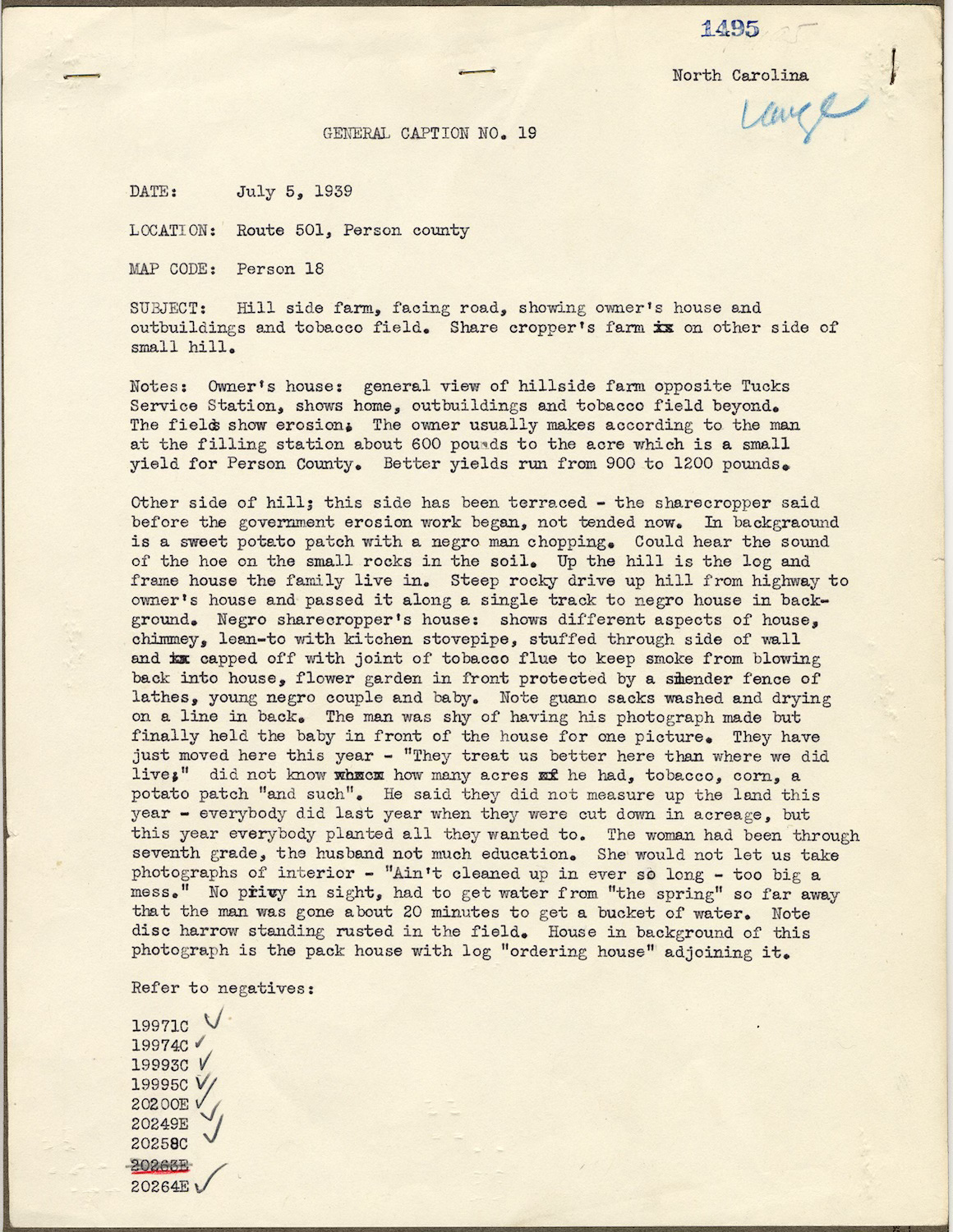
And here are a few photos from the day. You can see she pulled the specific captions from the longer General Caption/field notes.
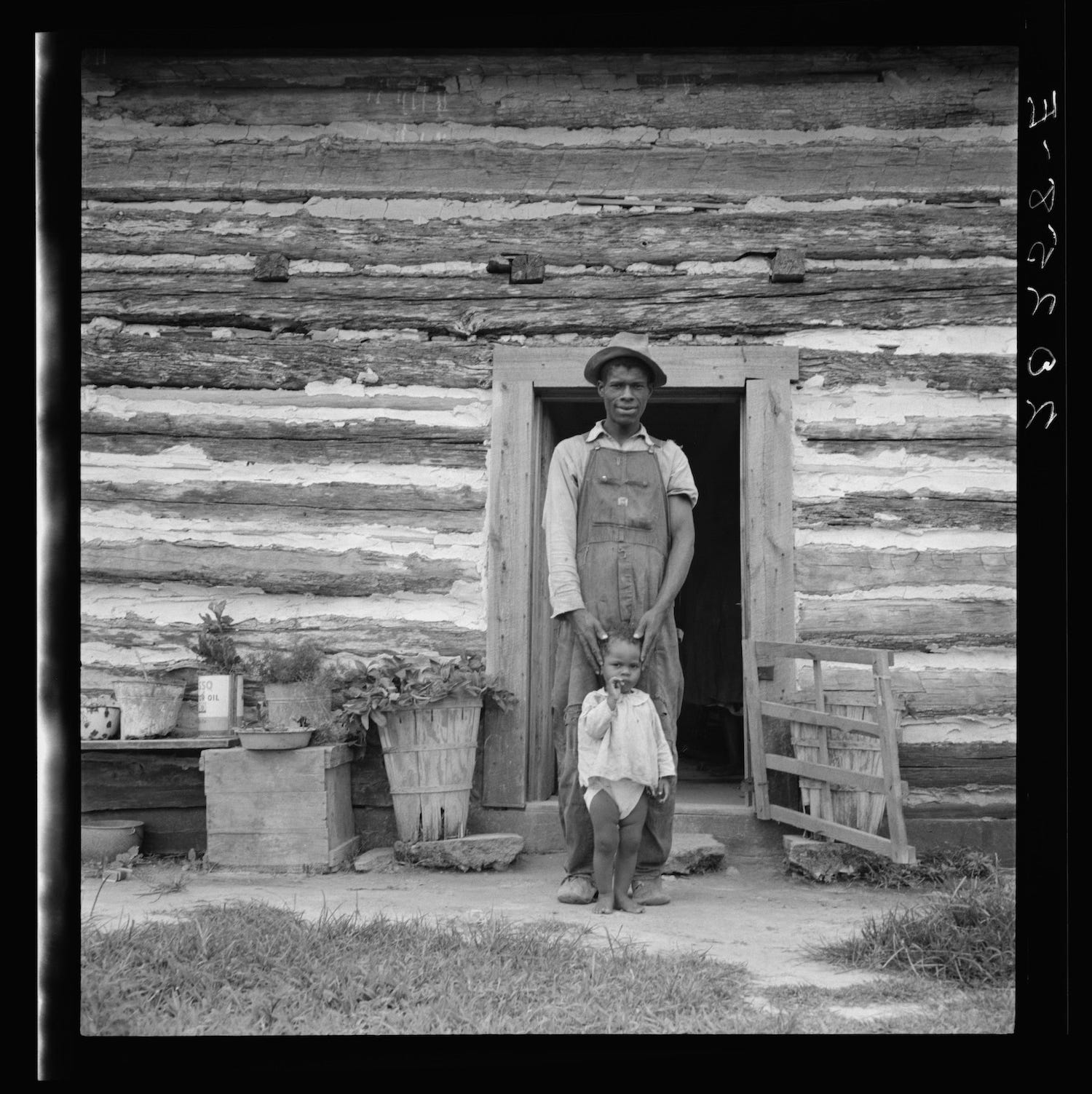
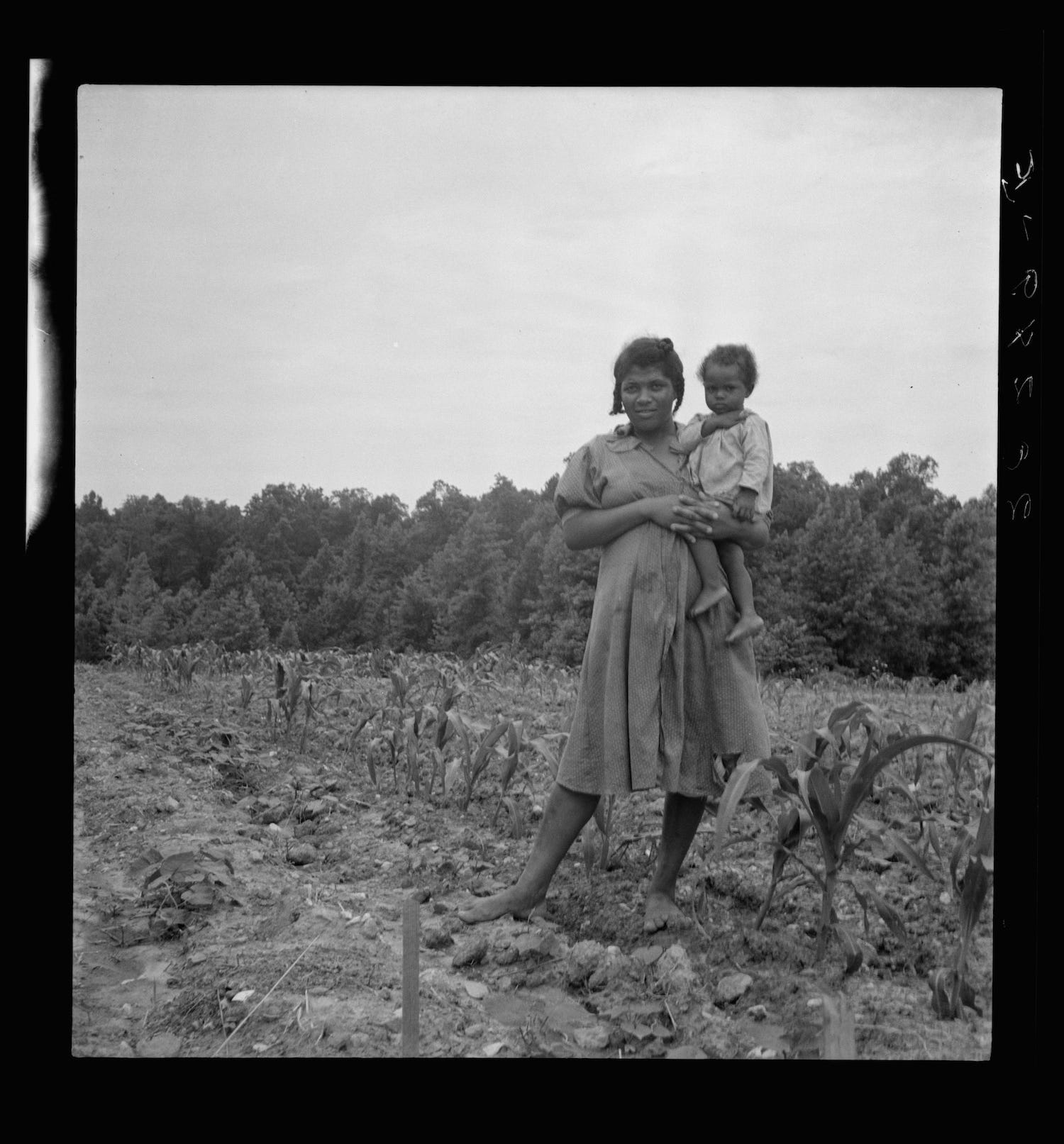
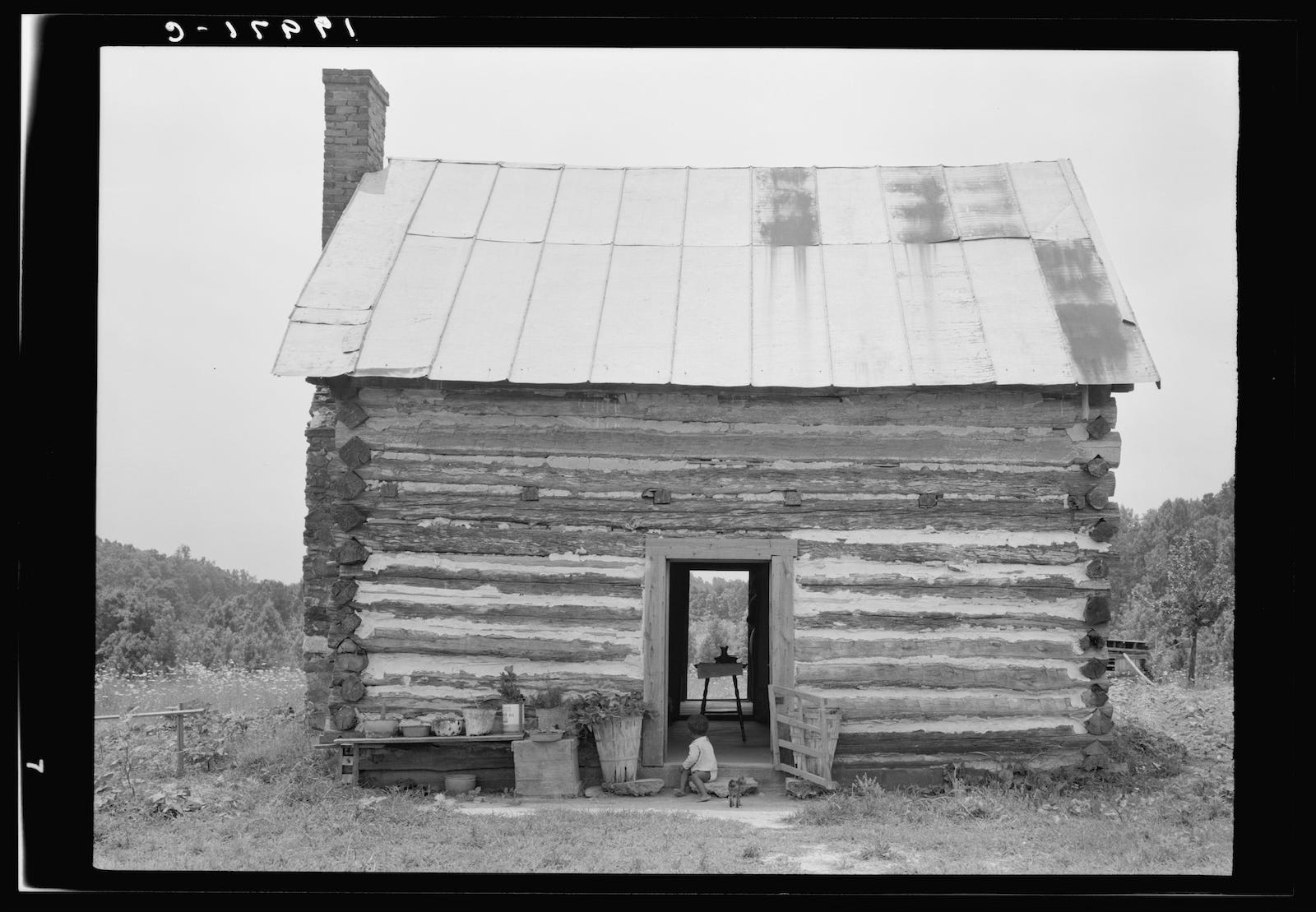
“All photographs—not only those that are so-called ‘documentary’...can be fortified by words. I’m just trying to find as many ways I can think of to enrich visible images so they mean more.” - Dorothea Lange
She and Paul also combined their photos and text in a groundbreaking book titled America Exodus. The book synthesizes art and social science in a way that had never been done. It centered the words of the subject.
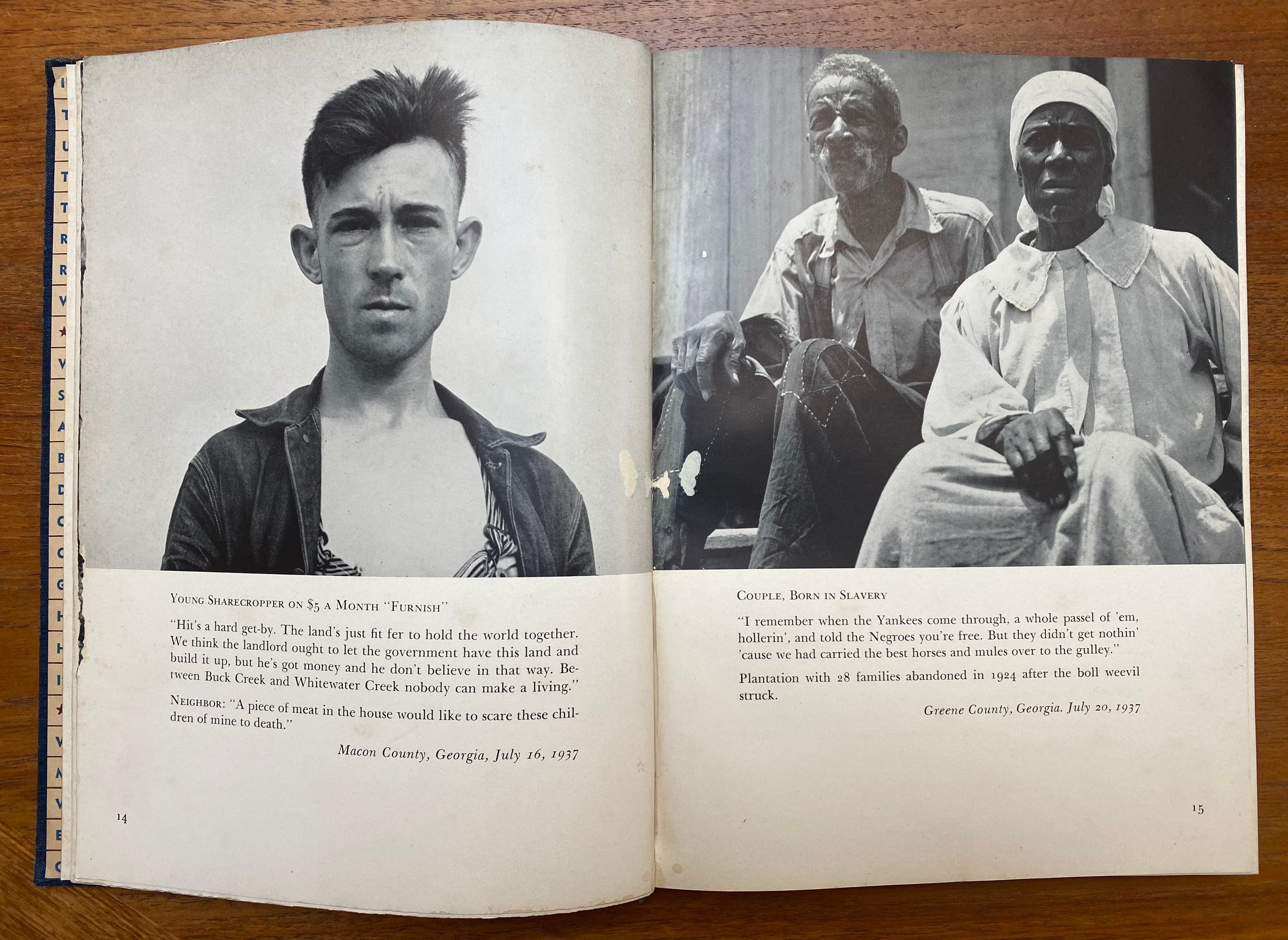
This process of captioning helped Dorothea see more. It forced her to spend more time looking and engaging with the people she was photographing, and helped her see what and who was actually in front of her, instead of seeing what and who she expected to see.
Now let’s explore how captions can help us do something similar with drawing.
