


Reminder: We have a chat thread going for people around the world looking to meet up and draw in person. This is a members-only chat for safety purposes — members please click here.
My GUT peeps, hellllllo.
Before we begin today’s drawing — and our new theme of Visual Storytelling — I need to acknowledge what is happening in MN and around the US right now. As an American, I am (as I know many of us are) outraged and devastated by the administration’s cruel anti-immigration agenda, and its empowerment of the federal Immigration and Customs Enforcement (ICE) to commit unlawful acts of detainment and murder with impunity. Watching videos of children ripped from their parents and people murdered in the street is TOO MUCH. This, on top of everything else going on in the country and the world leaves me feeling scared and overwhelmed. I want to DO something. Maybe you feel that way, too.
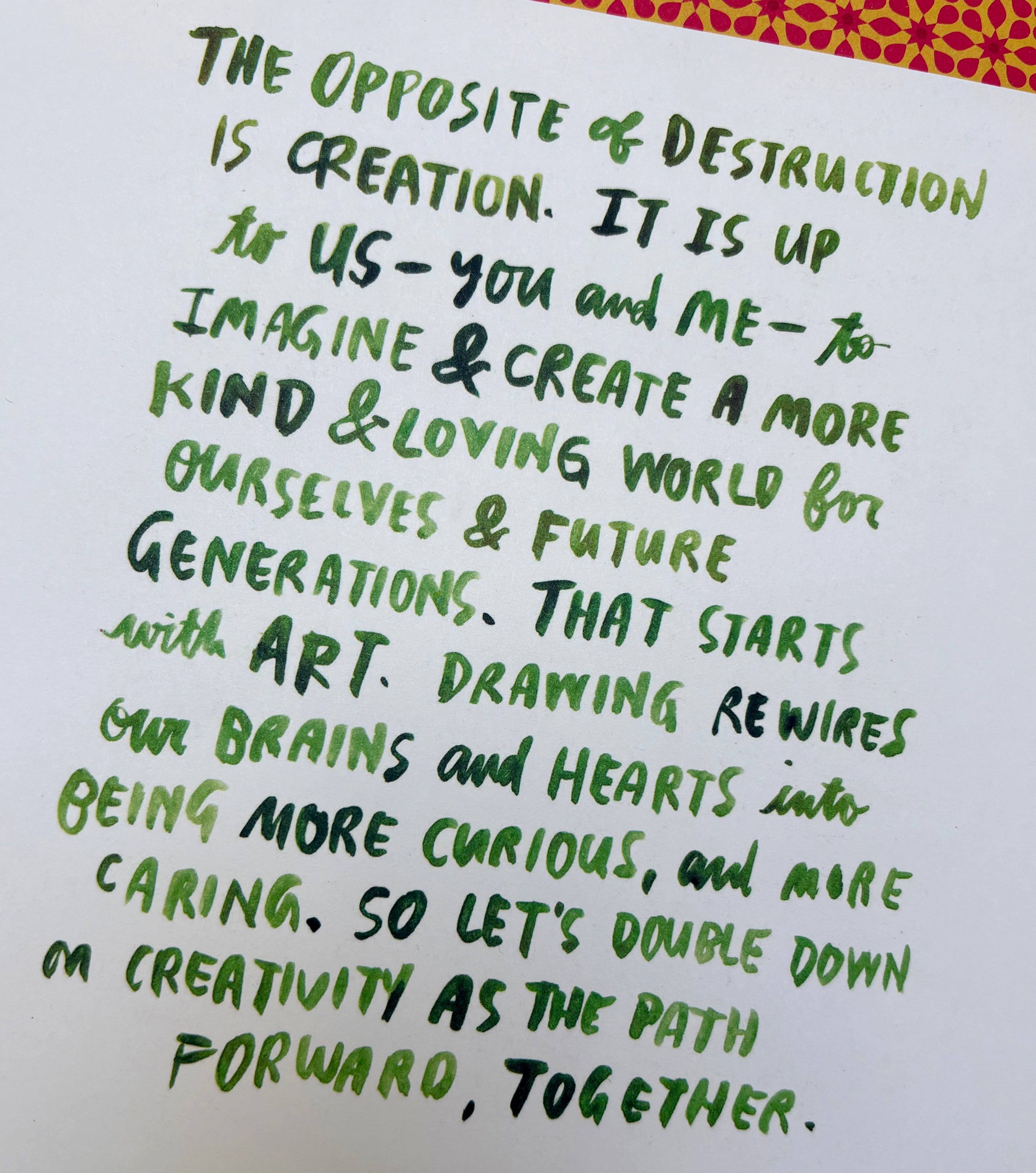
I often talk about making art as social engagement. It is. Art is inherently a generative, creative act. It is the opposite of hate and destruction. We must focus on the world we wish to create, and use art to grow that world from the inside out.
But that is only part of our job.
As artists, if we want to protect these creative rights and our democracy, we must participate in our democracy. What that means to each person will look different. It could mean protesting, or calling your senator. It could mean reaching out to a local org to see how you can help, or talking to your family, friends, and neighbors…
If you are an American and calling your senators feels right for you, I offer you this opportunity: we each have two senators. Before you draw today, call one. And after you finish drawing, call the other.
CALL: 347-514-6400, after the message you will be able to ID your senators and be connected to their office. Thank you.
Let’s use drawing to grow the world we wish to see from the inside out. And let’s our voices and action to speak out and say “No.”
Now back to our regularly scheduled Sunday program. Today’s lesson focuses on bringing humor into our art. While that may feel a little off given what’s going on, I think after we’ve done something to speak out, a little heart lift may be exactly what we need.
xoxo, w ❤️✏️❤️
Hello, my fine GUT peeps.
Can you believe you have been drawing for 25 days?? I can. I hope you feel as proud of yourself as I do all of us. I’m beaming. Kvelling. Eyes welling. Heart swelling! SO PROUD I AM YELLING! LOL. Sorry sorry, I’ll stop.
Okay, so new Sunday, new chapter in the epic 30 day adventure. We’ve done warm up, play, drawing basics, delights, and now we are going to put it all together and apply all those art/heart muscles you’ve built to…
Visual storytelling!
For the next four days, we will explore a new kind of visual storytelling. Each one will be simple, approachable, and fun. And, as always, you do you. If you want to blow me off and draw a flower for 10 minutes, draw a flower for 10 minutes! All that matters is that we’re drawing and we’re doing it together. That’s my (visual) story, and I’m sticking to it.
What is visual storytelling?
Visual storytelling is, simply put, communicating through visuals. For our purposes, it’s using drawing to tell a story. Every image tells a story. By putting visual cues in the image, we can shape that story more specifically for the viewer.
For example, here are three takes on the same plant drawing. How is the story different in each?
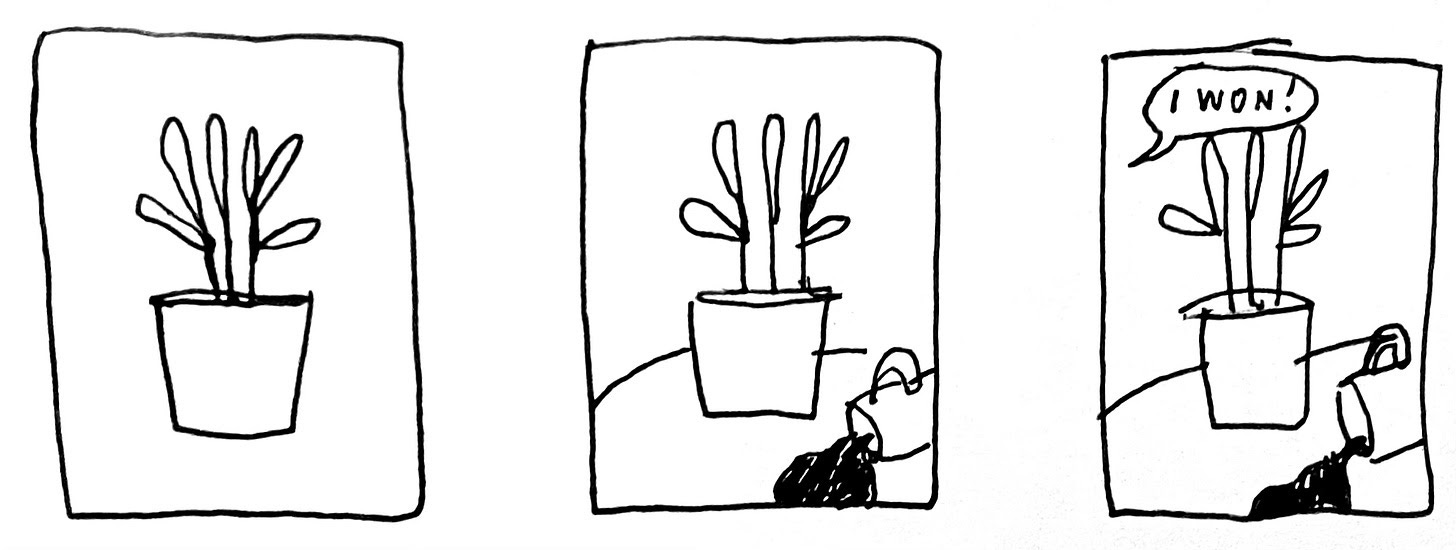

Little things, big stories.
There are so many ways to use drawings to tell stories: Comics. Diagrams. Data Visualization. Drawn Journalism. Illustration. Graphic Novels. Graffiti…. Cross walk signs!
Look around your house for places where drawing is used to tell stories. Diagrams on the back of a chocolate chip bag. Battery installation in a fire alarm. Comics in the newspaper. Your to-do list! All this week we’re going to use drawing to tell stories about our daily lives. And luckily we have someone to help us make it extra fun(ny).
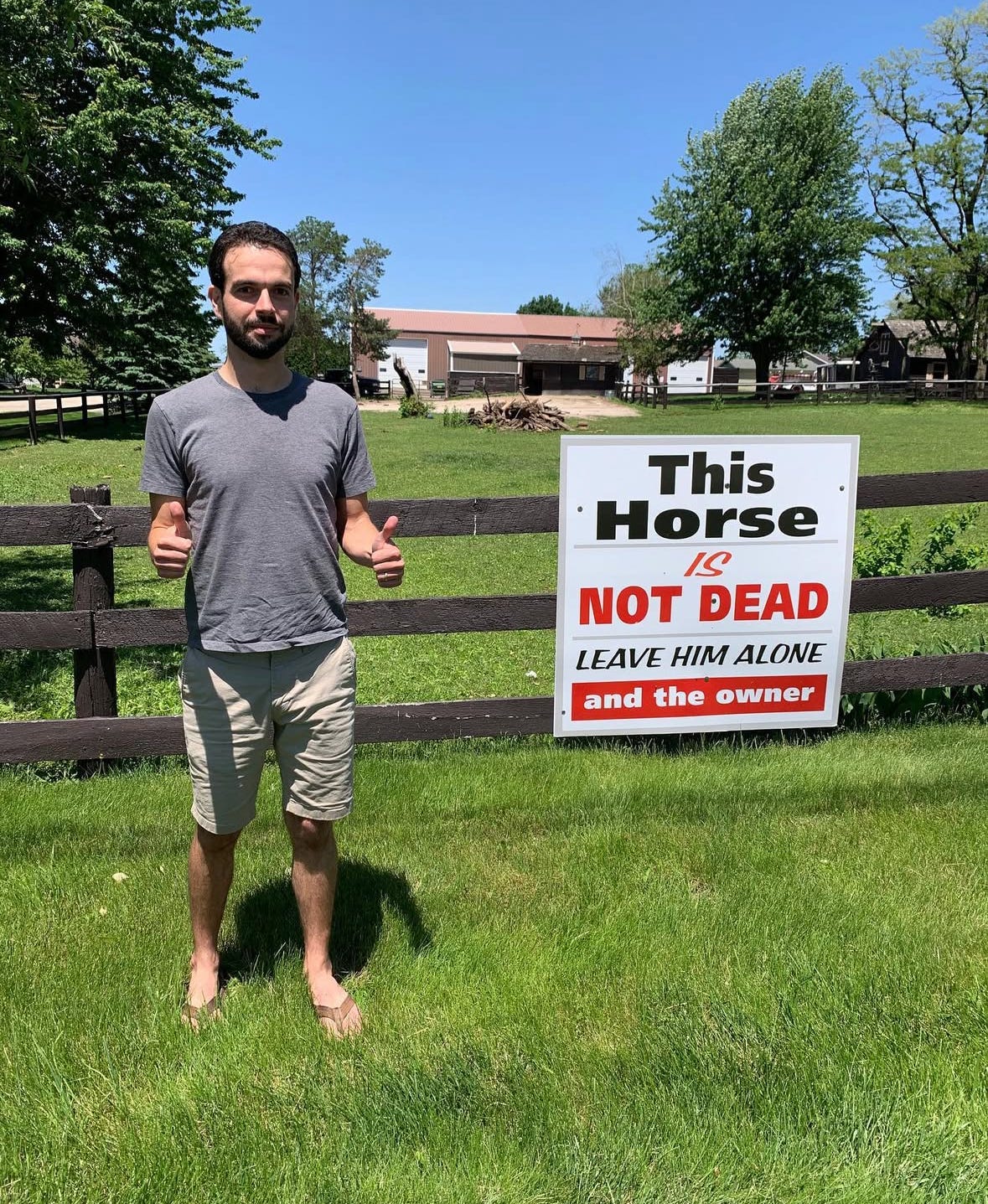
Chris Duffy is a comedian and writer who might be best known for hosting the popular TED podcast How to Be a Better Human. Maybe even a bigger accomplishment: He used to be a fifth-grade teacher. If you can do that, you can do pretty much anything. What I love about Chris is how darn funny he is, and how he brings out the funny in the people he meets. I met Chris when he interviewed my dear friend writer Laurel Braitman and me about using writing and drawing as a way to pay attention and notice more in the world. (You can listen to that episode here.) Chris included some of that conversation in his fantastic new book, HUMOR ME: How Laughing More Can Make You Present, Creative, Connected, and Happy. The book shares stories and techniques to help us introduce more humor and joy into our daily lives. We could all use some of that right now, right? Right.
I thought it would be fun to use his book as a sort of framing for our visual storytelling chapter. There are a million ways to tell a story, so why not make it a little funny, right?
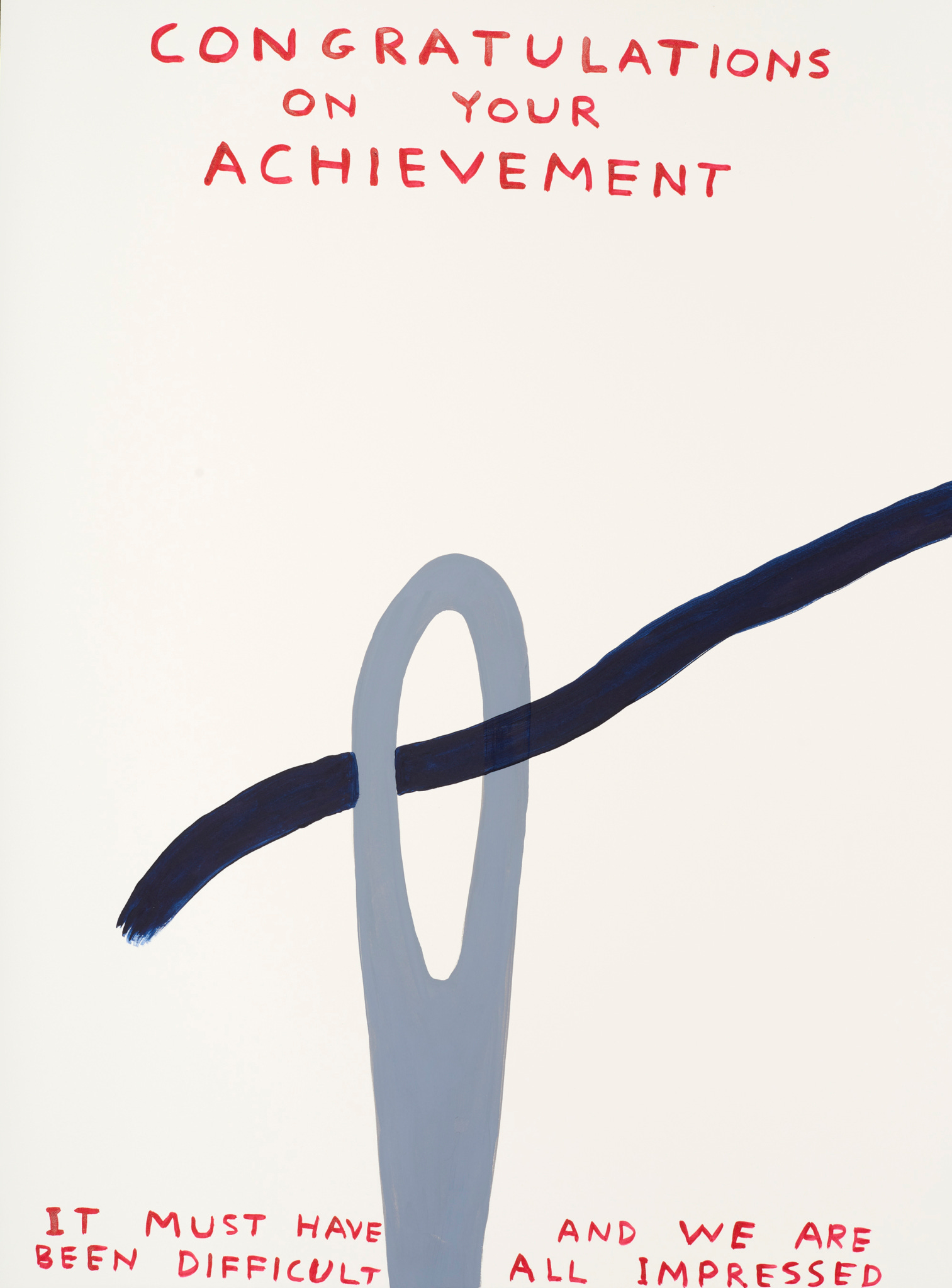
I asked Chris a few questions about how we could bring humor into our drawings — which is to say our world views. “Tragedy + Time = Comedy.” Humor helps us keep things in perspective, and keep going in the right direction. Which is, I’d suggest, away from large sweepstakes and the celebrities who run them.
Wendy: Chris! Thanks for talking to us about bringing more humor into our life and artwork. Why do you think it’s important to have humor in our lives? WHY BE FUNNY? Defend yourself!
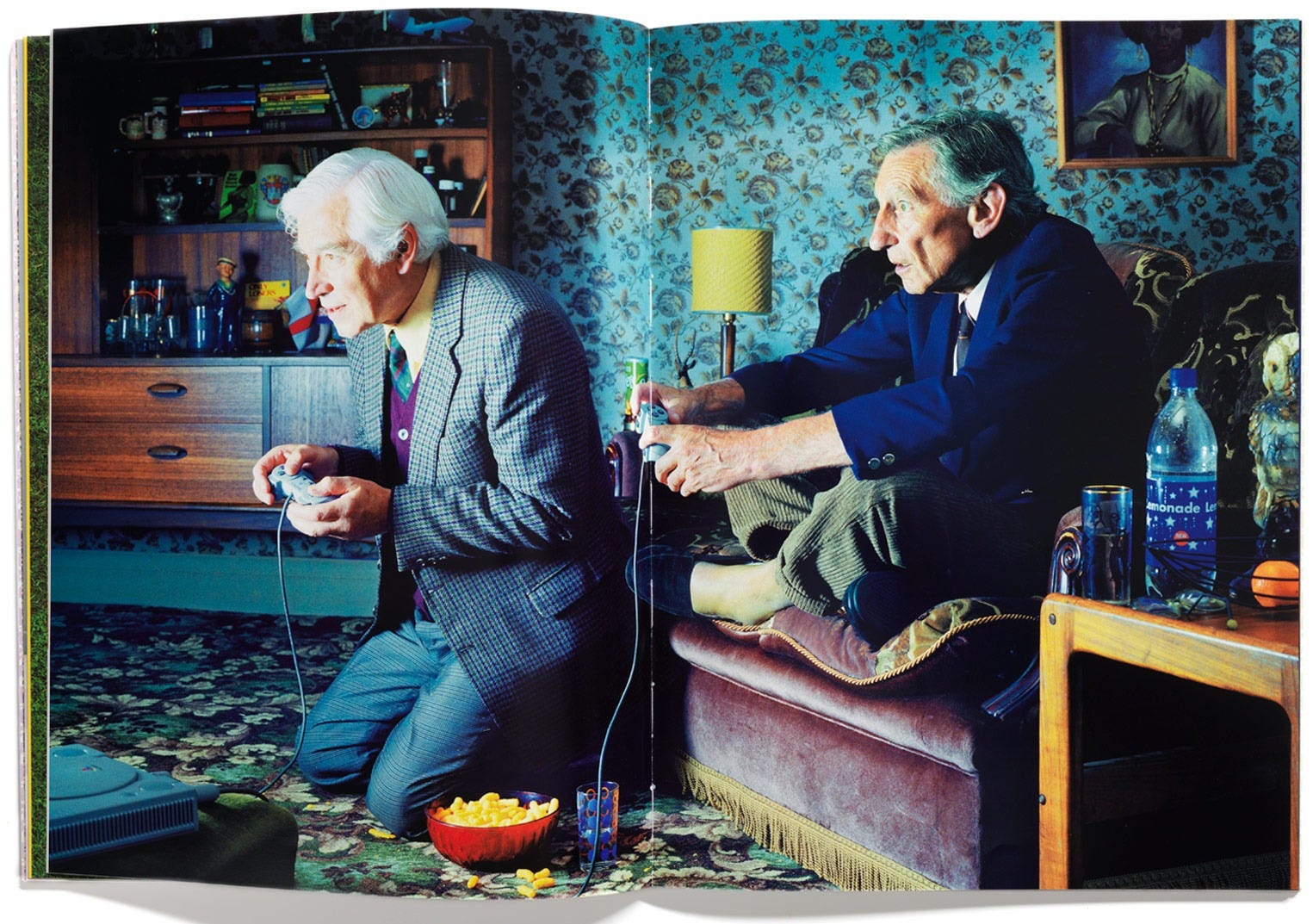
Chris: [cowers in fear] Ahh! Please don't yell, Wendy! I have very sensitive ears! Why be funny? Why is it important? There are a lot of very serious benefits to laughing more including that it's one of the best ways to connect with other people (which matters for everything from our mood to how long we live) and that humor can often remind us of what's true (think about the jester pointing out that the emperor has no clothes). But I think the most important reason to have more humor in our lives is because it's fun and brings us joy. We all need more of that right now.
Wendy: How do you see drawing and humor (or stand up or humor writing) being similar? What can we drawers learn from your experiences being a professionally funny person?
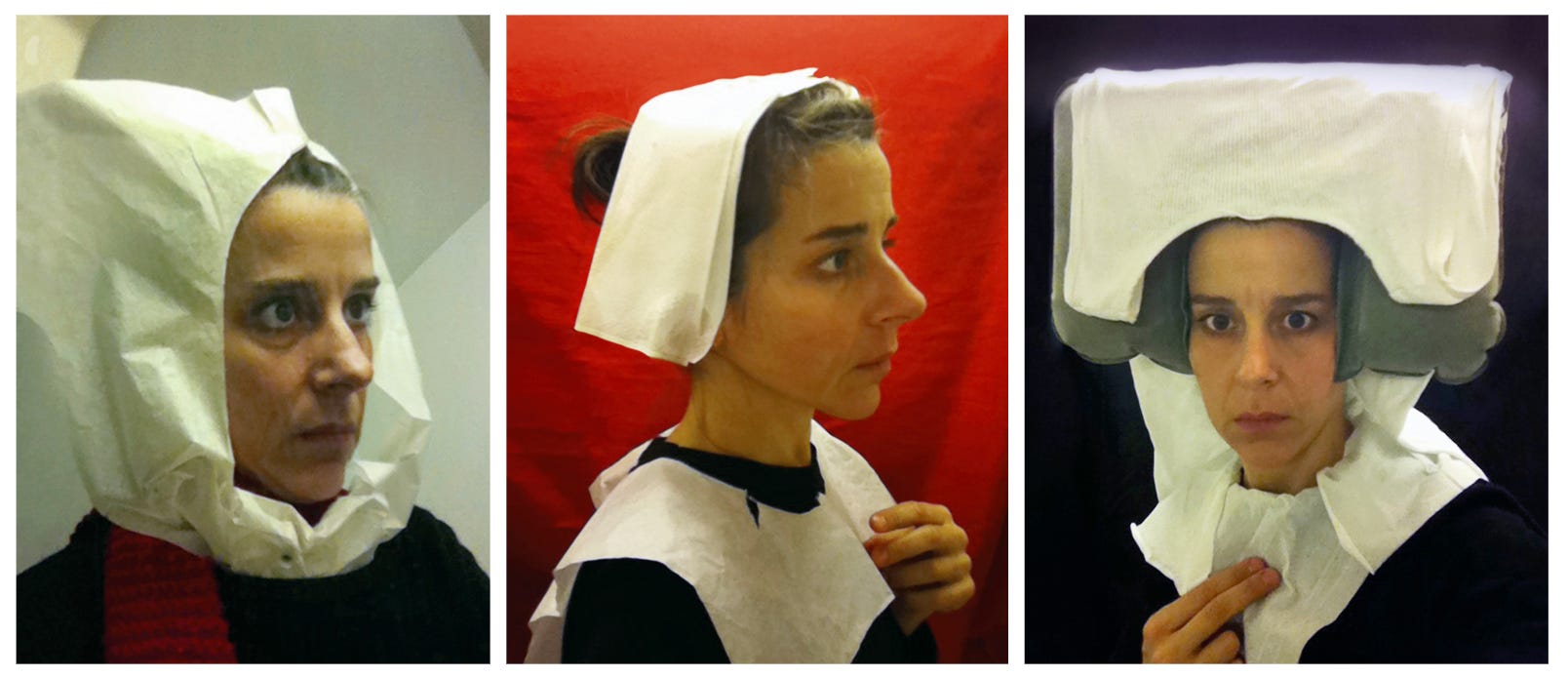
Chris: Whenever people find out that I do standup comedy, they always want to know about the times that I have bombed onstage. And trust me, I’ve got examples a-plenty! What people don’t seem to realize is that having jokes flop is an essential part of the process because it means you’re pushing yourself into new territory and not just relying on what you know already works. I think the same is true with drawing (and with all art): Failure is a crucial part of the process! You make great stuff by having made a bunch of absolutely awful stuff first.
Wendy: Are you funny in real life or just professionally?
Chris: Just professionally. And many audience members would say not even professionally. Joking!
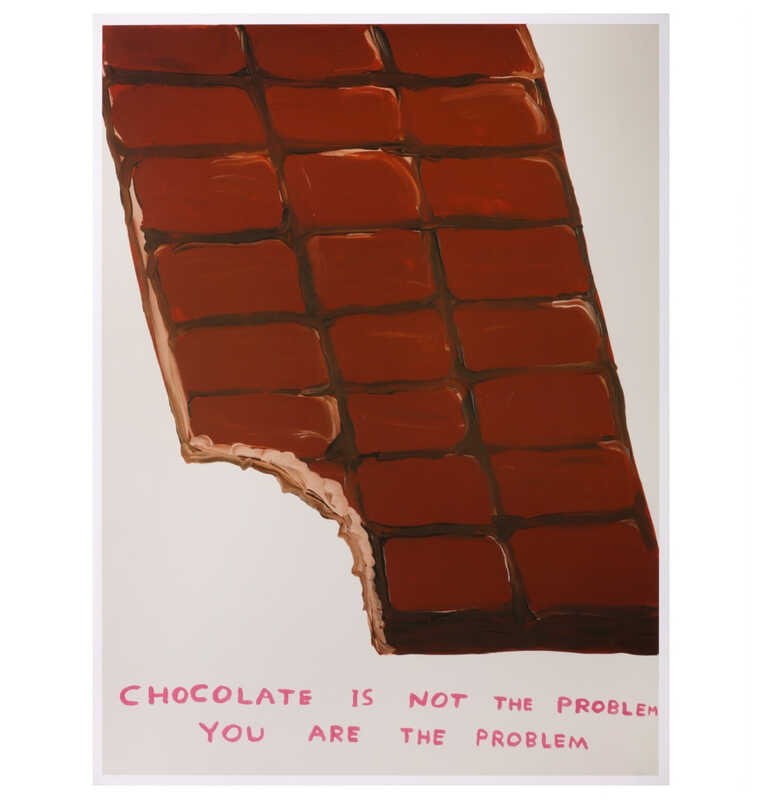
My real answer is that I try hard to turn it off so I’m not constantly performing with family and friends. But I want to be a good laugher and to show how much I love their funny stories and jokes and memories, so I’m laughing a lot in my day-to-day even if I’m not the one telling the jokes.
Wendy: Do you have any tips for us to integrate more funny into our drawings and artwork?
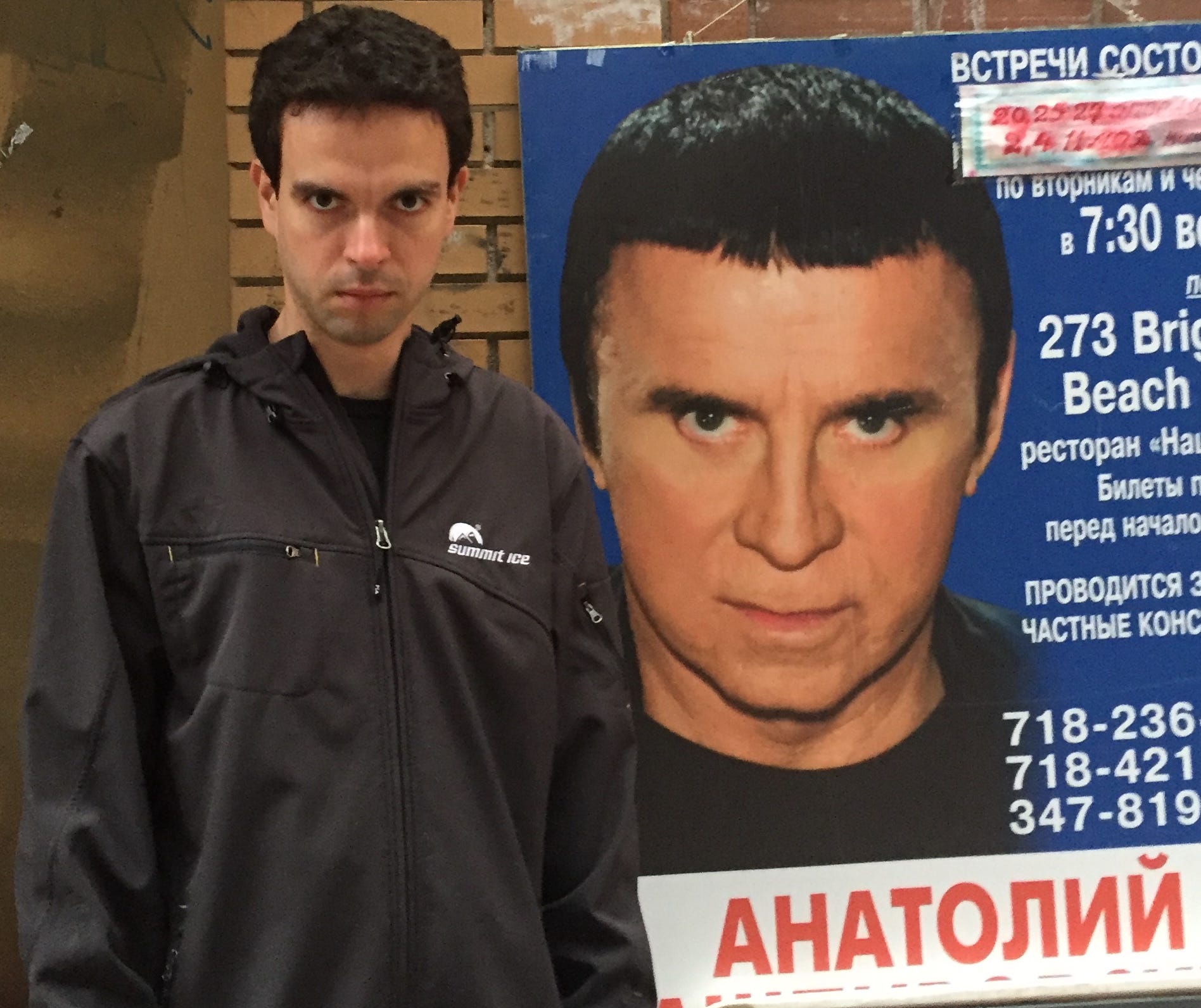
Chris: The first step to laughing more is to pay close attention. Notice the odd, strange little details, the things that seem a bit off. Those are the seeds of comedy. They're also great details to draw! Something that I learned from you, Wendy, inspired by the artwork of Sister Corita Kent, is to experiment with a small physical frame (Sister Corita called it "a finder") and to look at the world through it, paying very close attention to the world inside that tiny rectangle.
Alright, and now to practice this hilarity and warm up our visual storytelling engines…
